A club wins a match nobody predicted. A runner crosses a finish line in Tokyo and the image is everywhere before the medal ceremony ends. A cultural moment breaks on a Tuesday and by Wednesday everyone wants to be part of it. These are not marketing opportunities. They are the moments consumers are actually living in. The question is whether the brand is ready to meet them there.
I built the capability that made meeting them there possible.
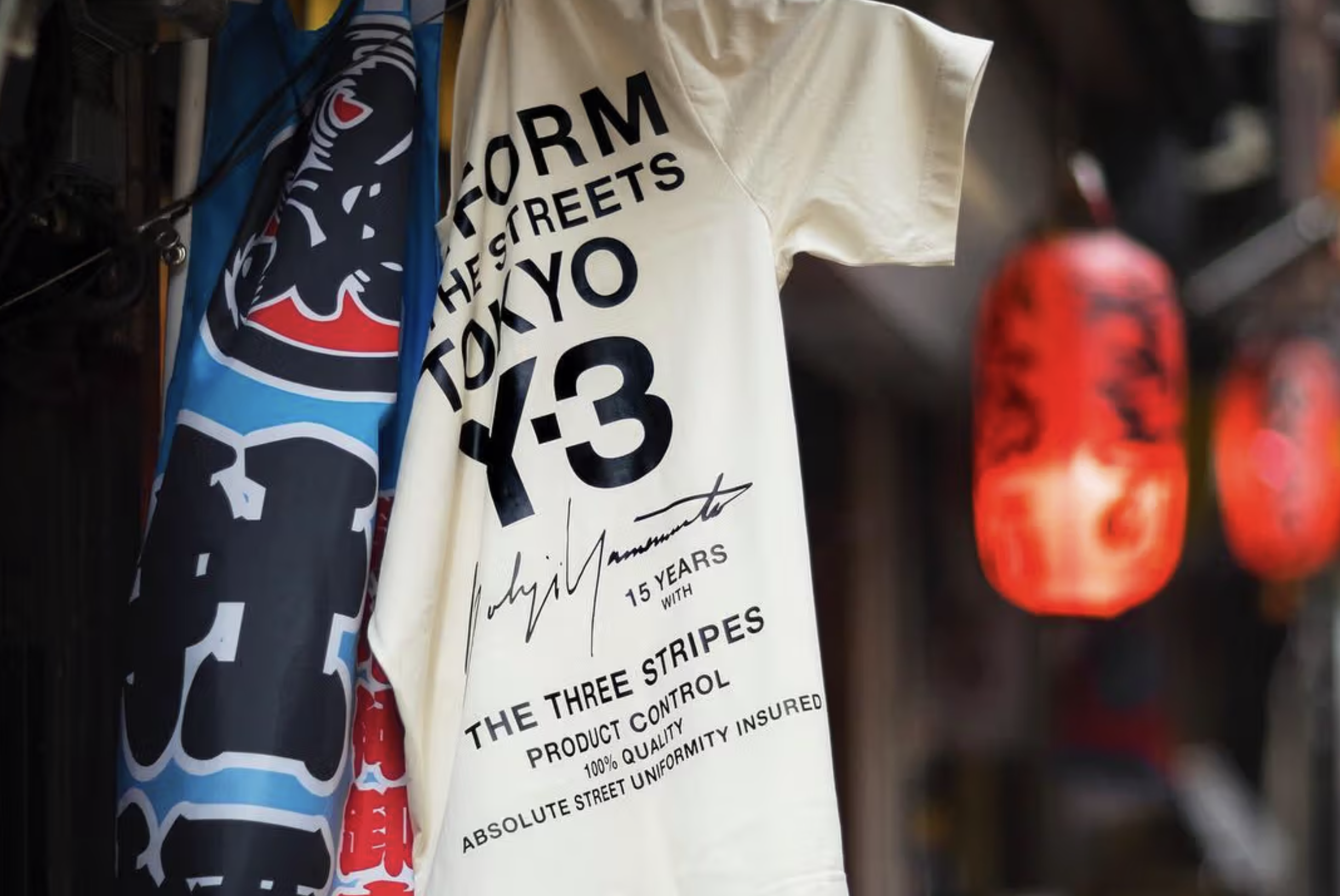
Sport consumers don't follow a creation calendar. They follow the game, the athlete, the drop, the conversation. The moment something happens, the feeling is immediate and it doesn't last. A jersey that arrives after the season ends isn't late. It doesn't exist. A tee that misses the cultural moment it was made for is just a tee. I started with that truth and worked backward into everything that needed to change to honor it.

The Moment Doesn't Wait
Building for the Moment, Not the Season

Not every consumer moment requires the same response. A championship demands product in days. A cultural drop or a community event demands product in weeks. A trend-right colorway for a regional market can take a month. I designed a program around that reality, matching the creation model to consumer urgency rather than forcing every product through a calendar built for a different era.
Speed without quality is just noise. The local quick turn program came first because it is the purest test. A tee either reflects the moment it was made for or it doesn't. There is nowhere to hide. I rebuilt the creation sequence so that every decision that required time was made early, leaving the end of the process clear for speed. The result was product that felt right when it arrived because the thinking had already been done.
Getting the Product Right

WHAT MADE IT SCALE
Three things turned a local program into a global capability. A tiered creation model matched the process to the urgency: days for championships, weeks for cultural drops, a month for trend-right regional product. Speed was never applied where it didn't belong.
Supplier and material decisions made far enough upstream kept the fast end of the process genuinely fast; the flexibility wasn't improvised, it was engineered in. And the logic was transferable. Different markets could adopt the framework without rebuilding from scratch, even when the product, the sport, and the consumer were entirely different.
Scale wasn't about moving faster everywhere. It was about making the right speed available to the right moment.