Some of the most important work happens before you know what to call it
Working across New York's fashion and creative communities, on a runway that refused to be a runway, a football tournament that became a cultural gathering, and a collection that proved sport and fashion shared a deeper grammar, I learned what it means when a brand genuinely belongs to a cultural moment.
Not performs it. Belongs to it.
Imitation of Christ at Lever House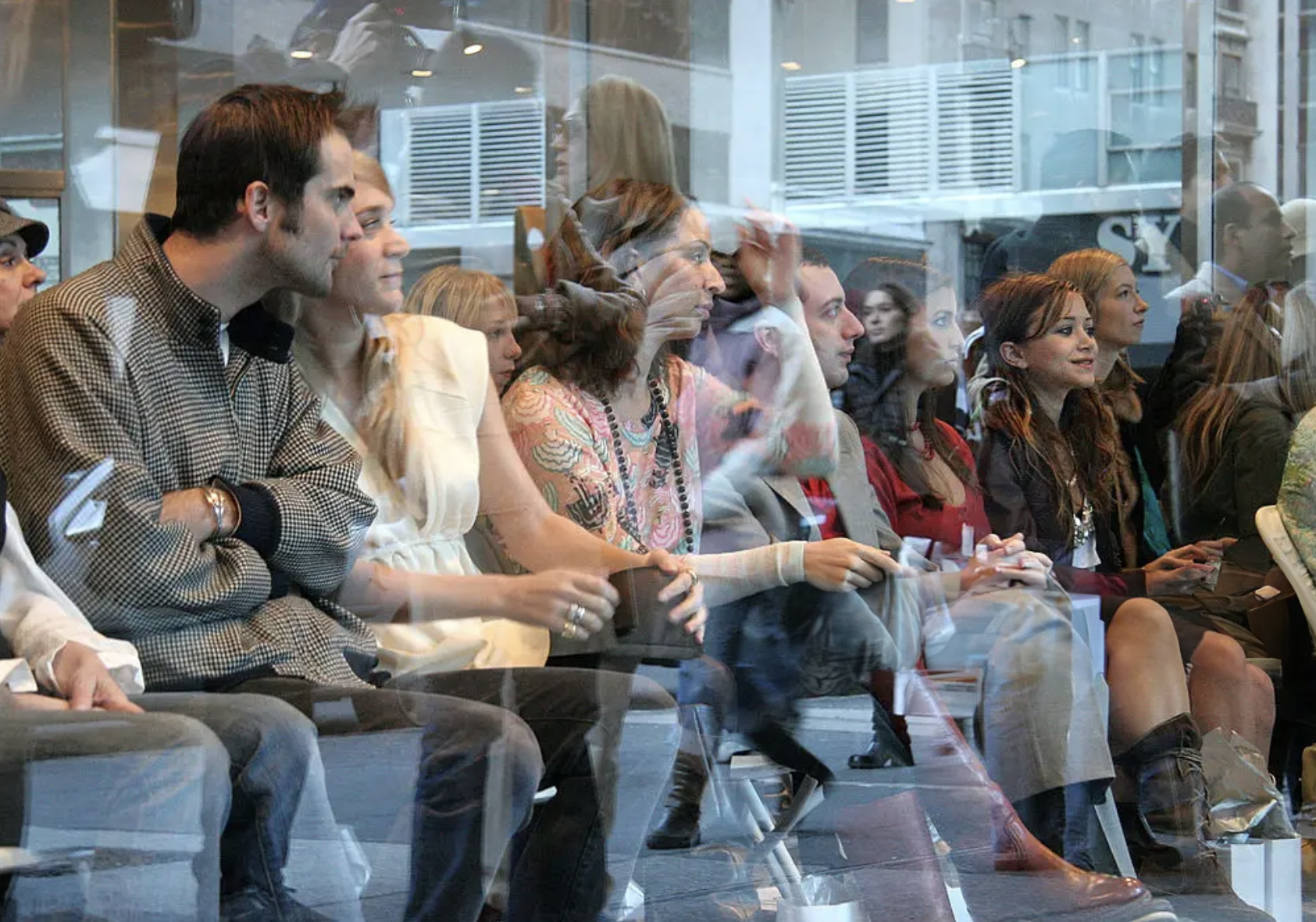
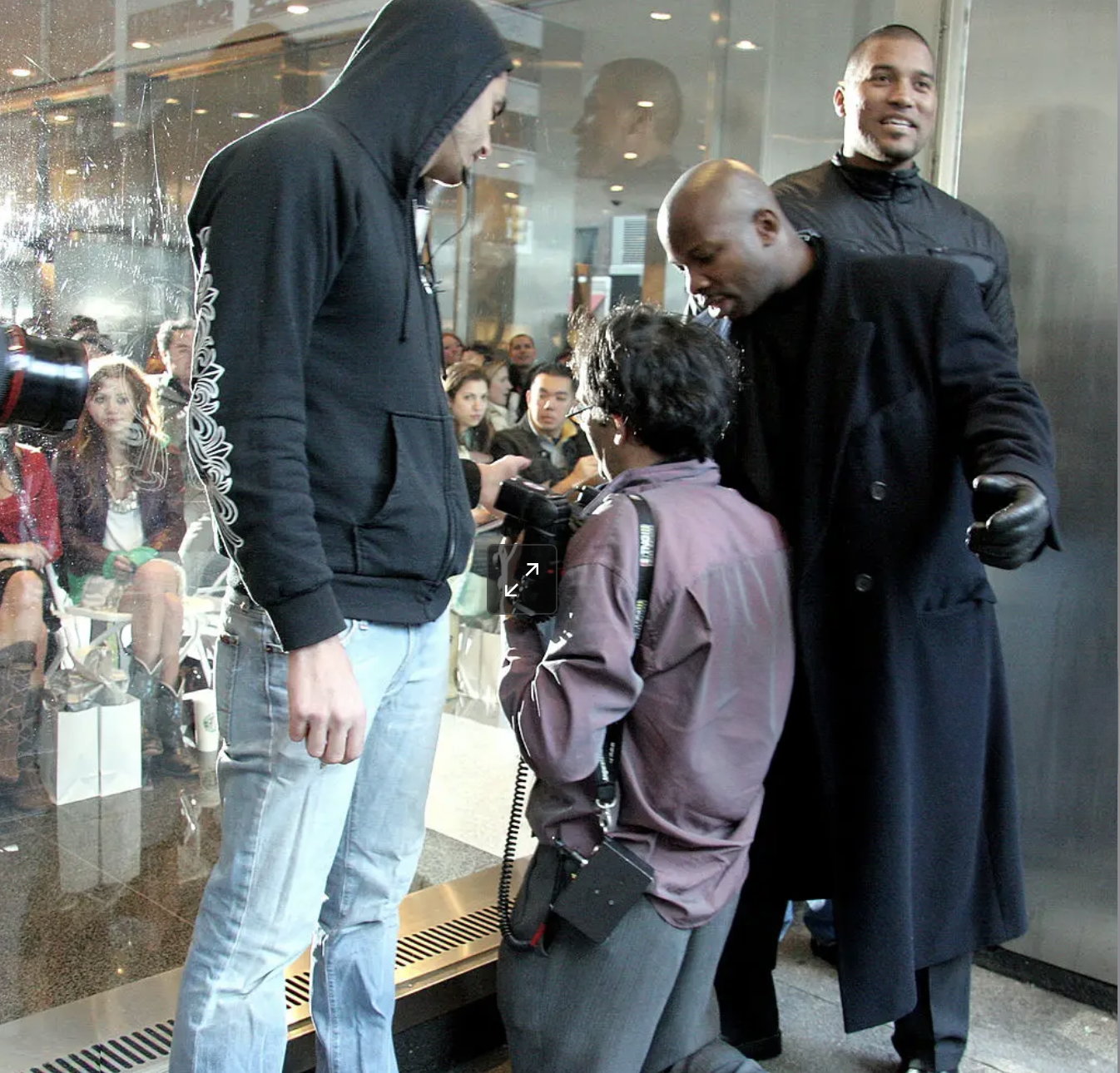
Tara Subkoff's IOC presentation at Lever House was the first time I saw a designer use a building as a concept rather than a venue.
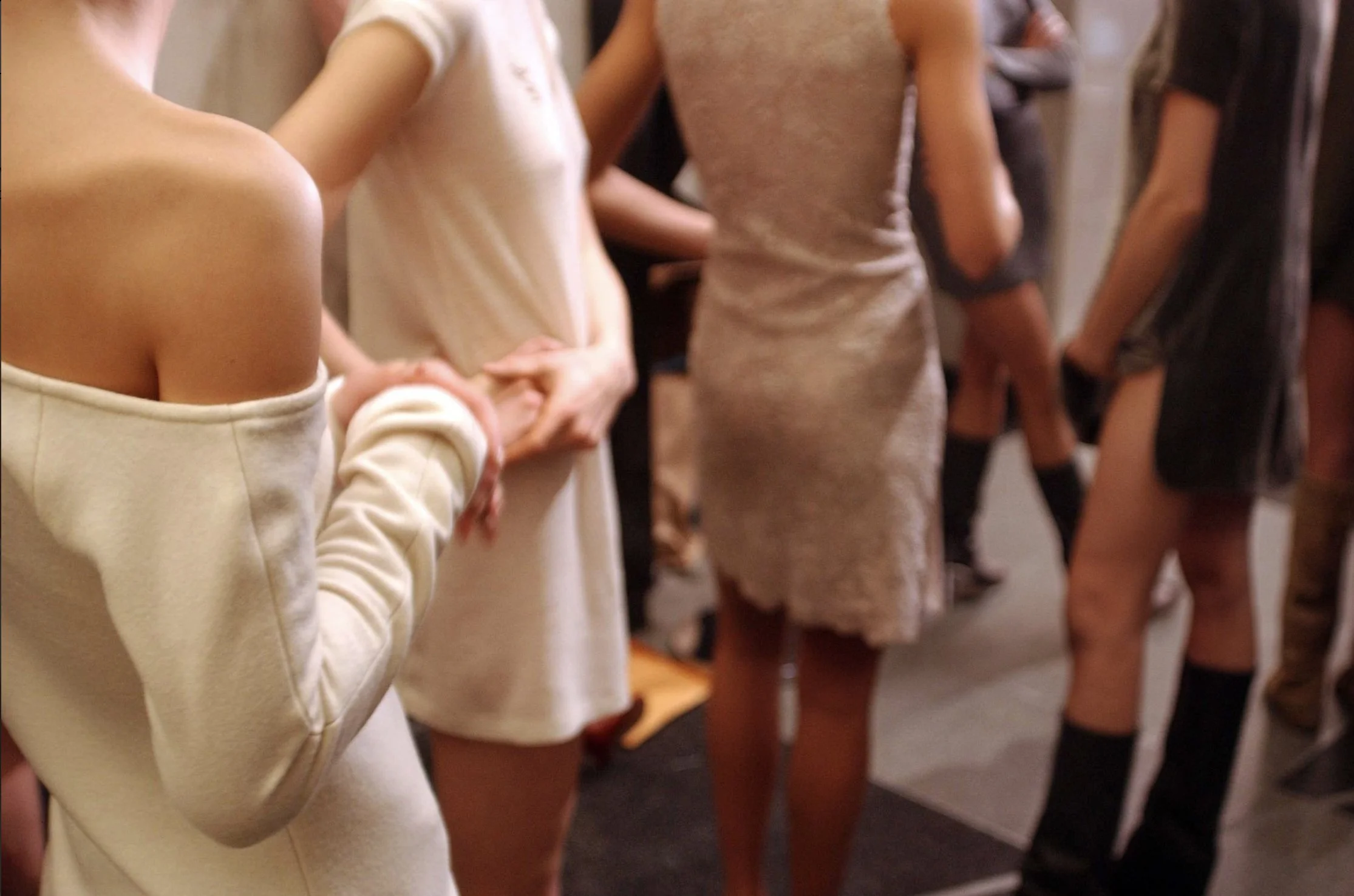
The seats fanned out in three directions facing the all-glass curtain walls. Models moved around the perimeter while the audience craned to catch them. Planted in the crowd were young women holding copies of Vogue, Nylon and Marie Claire, deliberately unstylish, deliberately conspicuous, blurring the line between spectator and subject. The paparazzi and street outside became part of the presentation without being invited. There was no separation between the show and the city watching it.
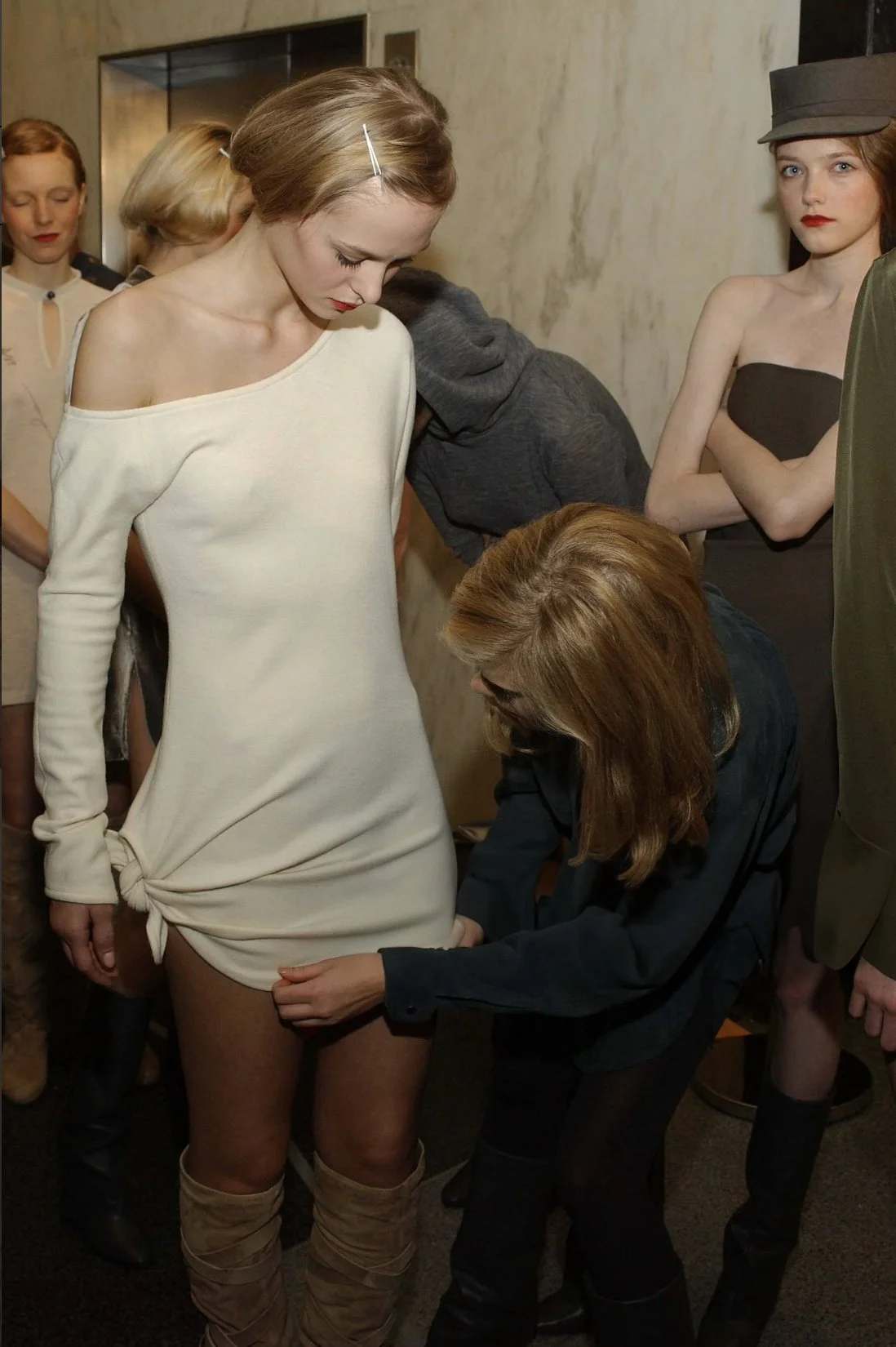
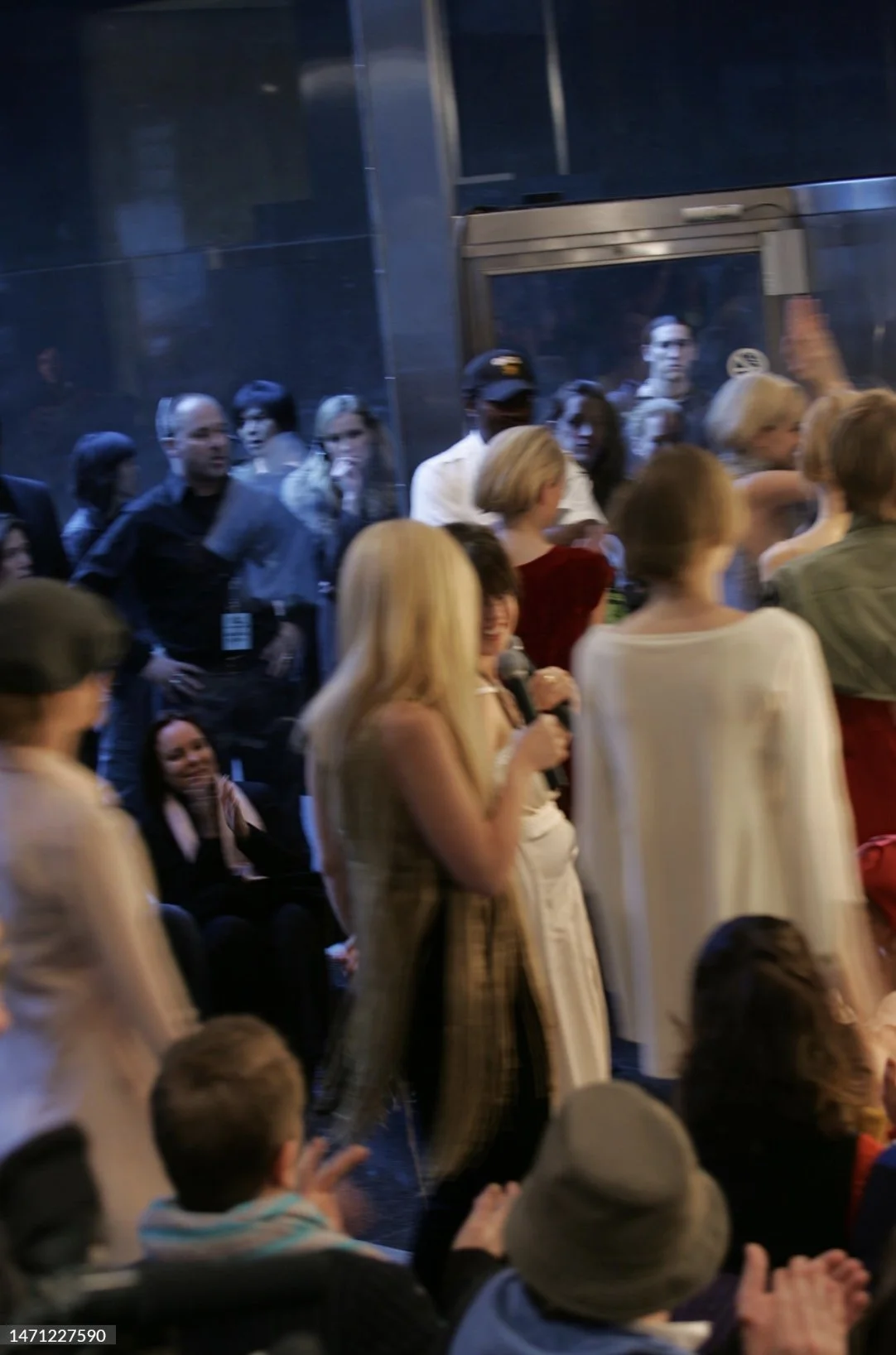
Working through Seventh House PR I managed the run of show, model bookings, and the guest list. Getting everything in place required the kind of last minute problem solving that becomes muscle memory when you are building moments at that speed and intensity.
The energy in the room was electric. Mary-Kate Olsen and Chloe Sevigny were in the front row. Wes Anderson was there. Artforum and Vogue covered it because what happened that evening was a cultural moment that the clothes were almost beside the point of.
What I took from it was something I have carried into every brief since. The most powerful brand moments do not sell product. They create a feeling that people want to be inside. The product follows from that. Never the other way around.

adidas Fanatic: Football as Creative Gathering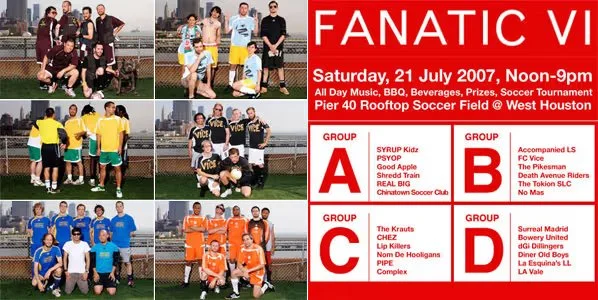
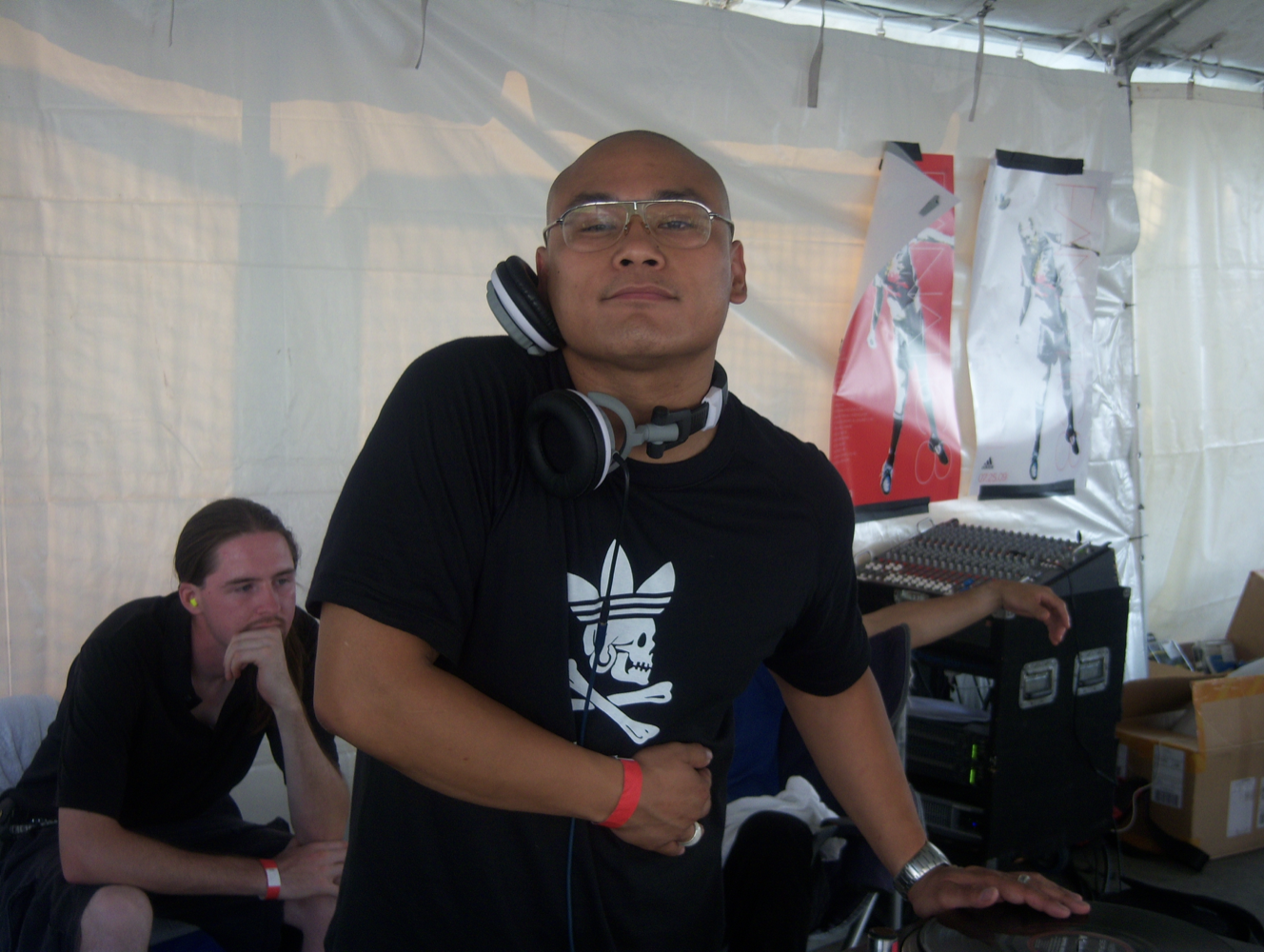
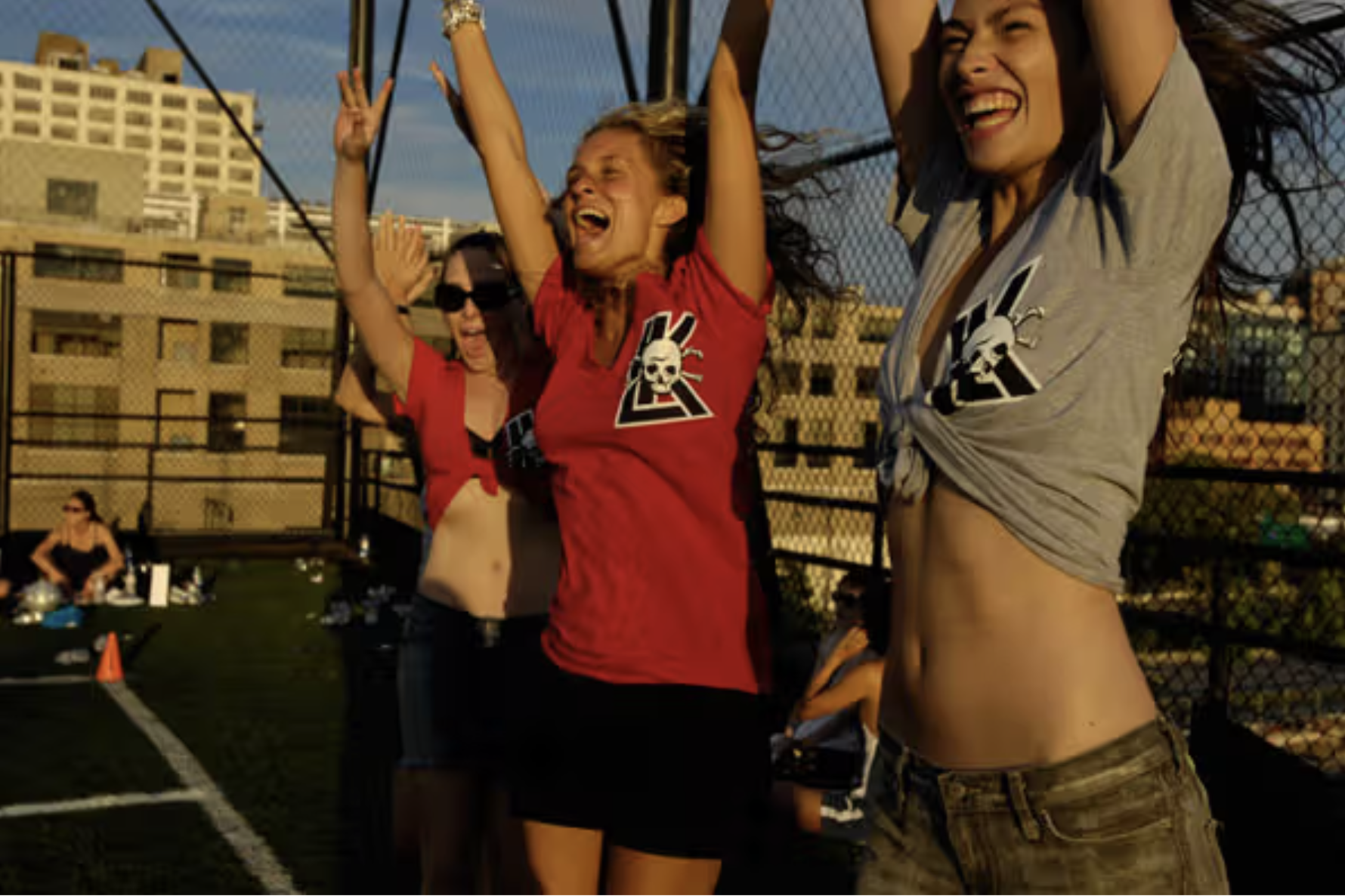
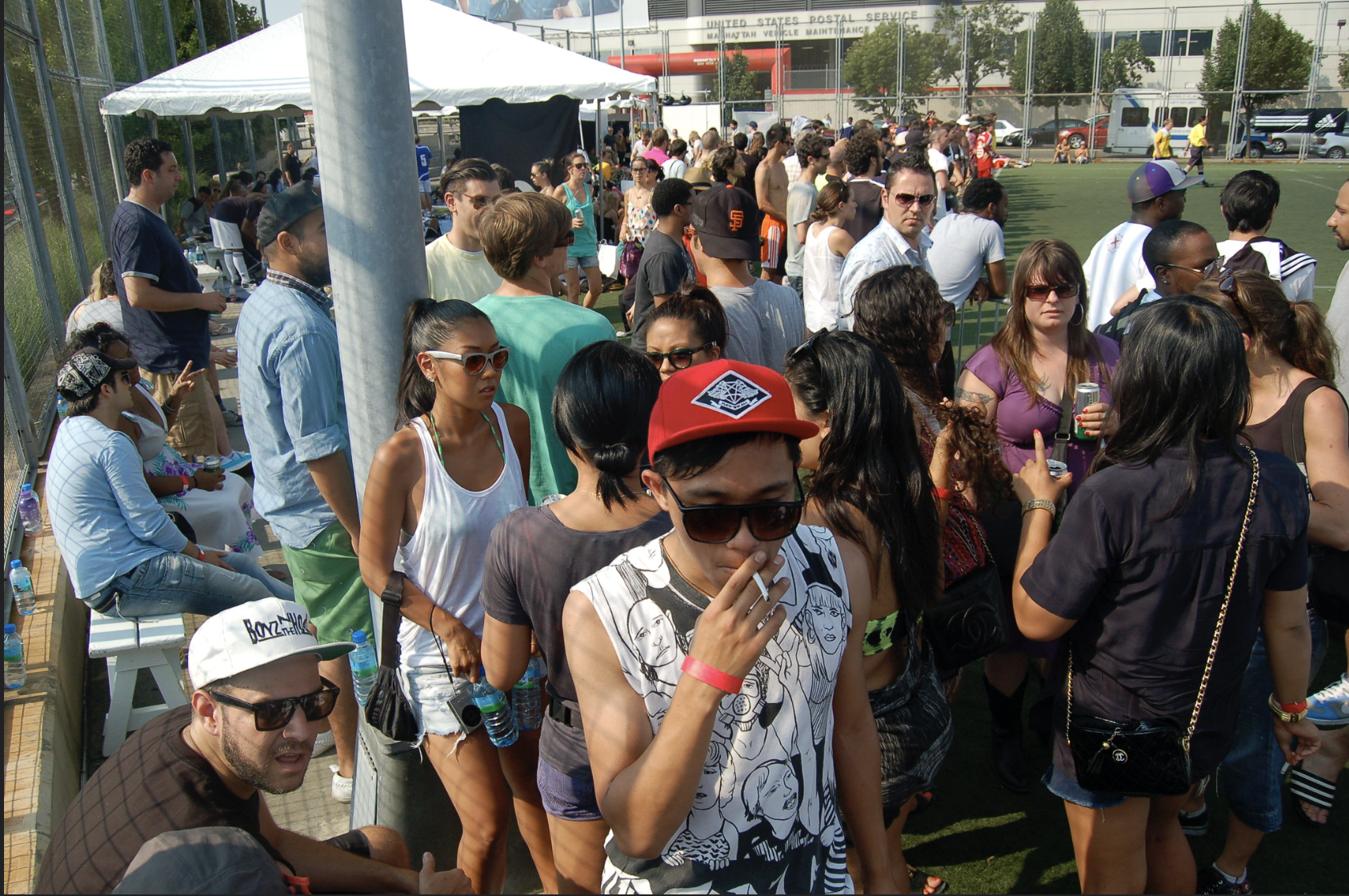
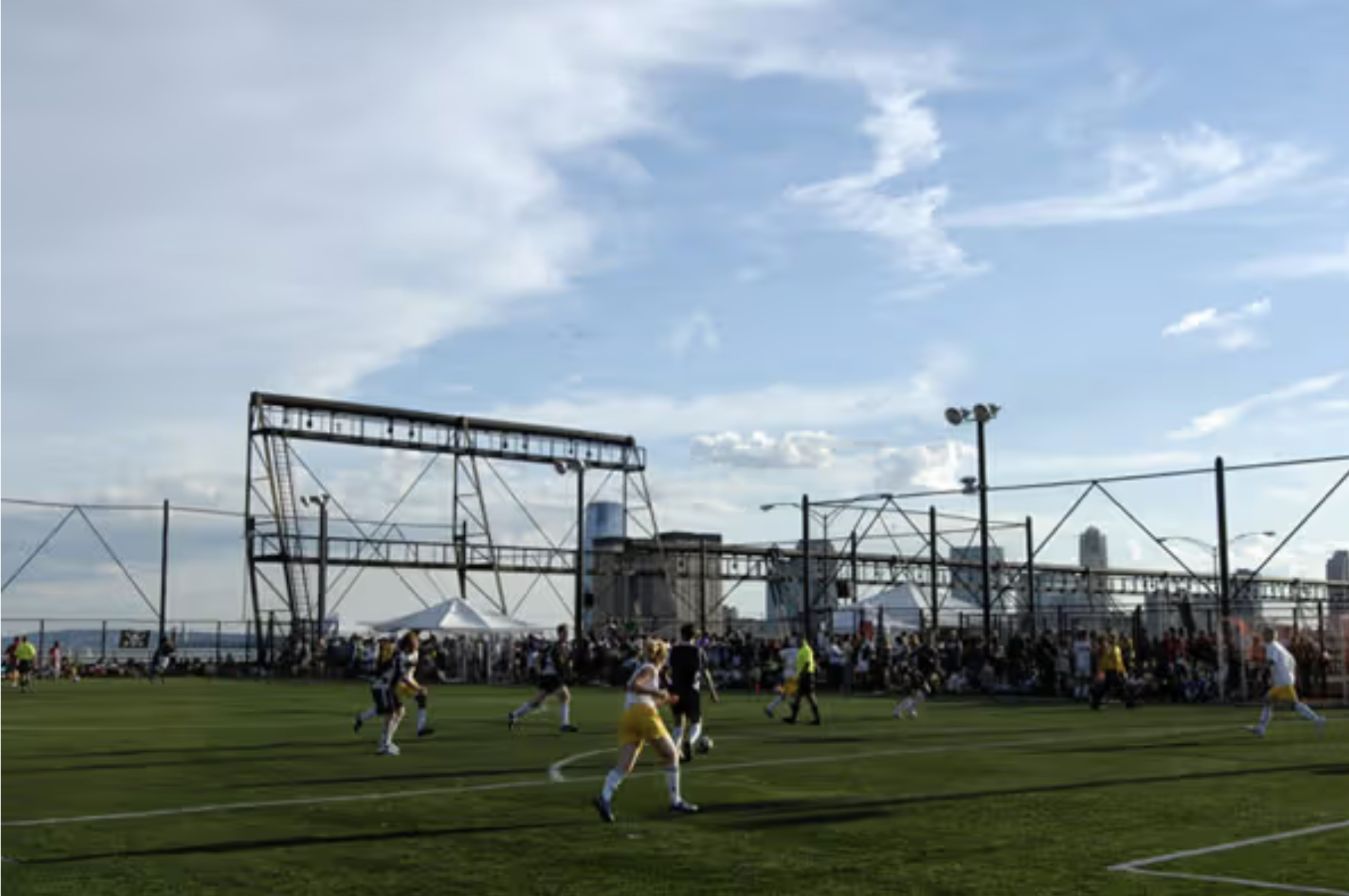
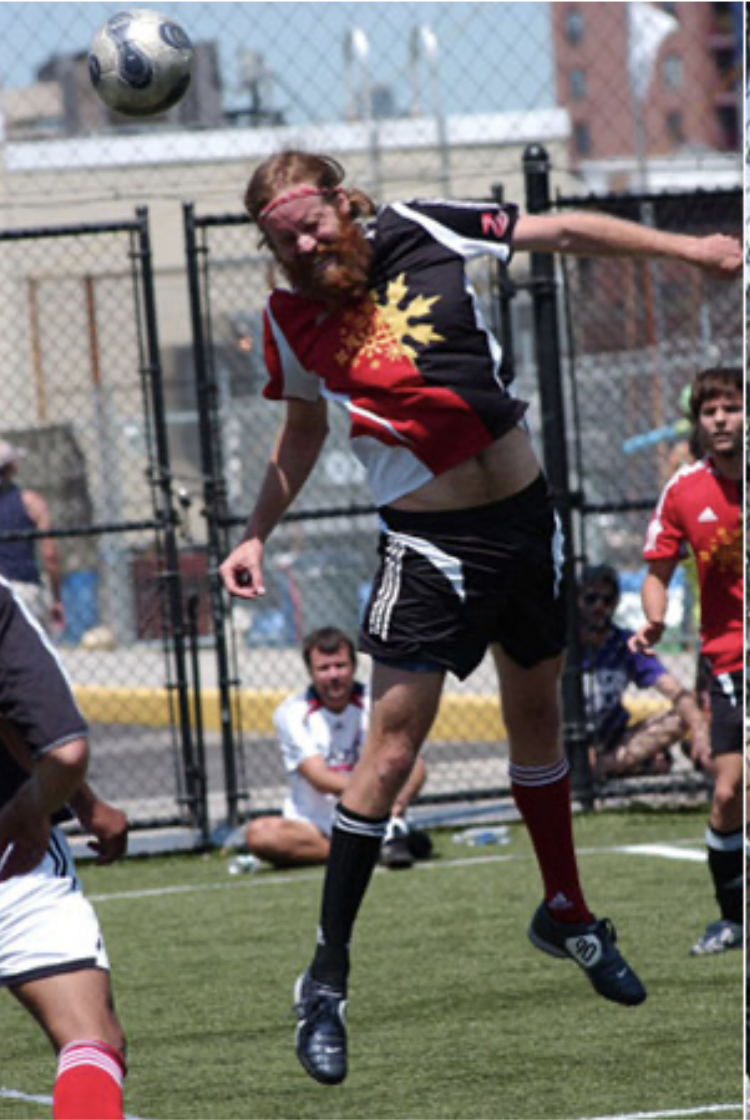
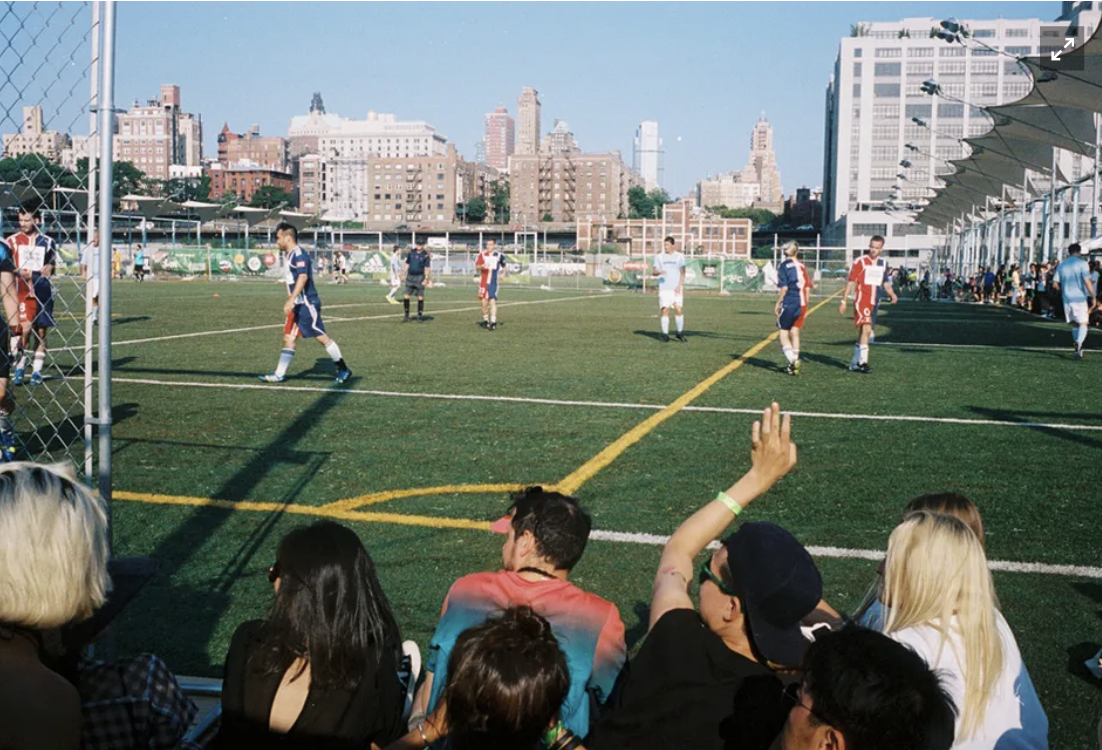
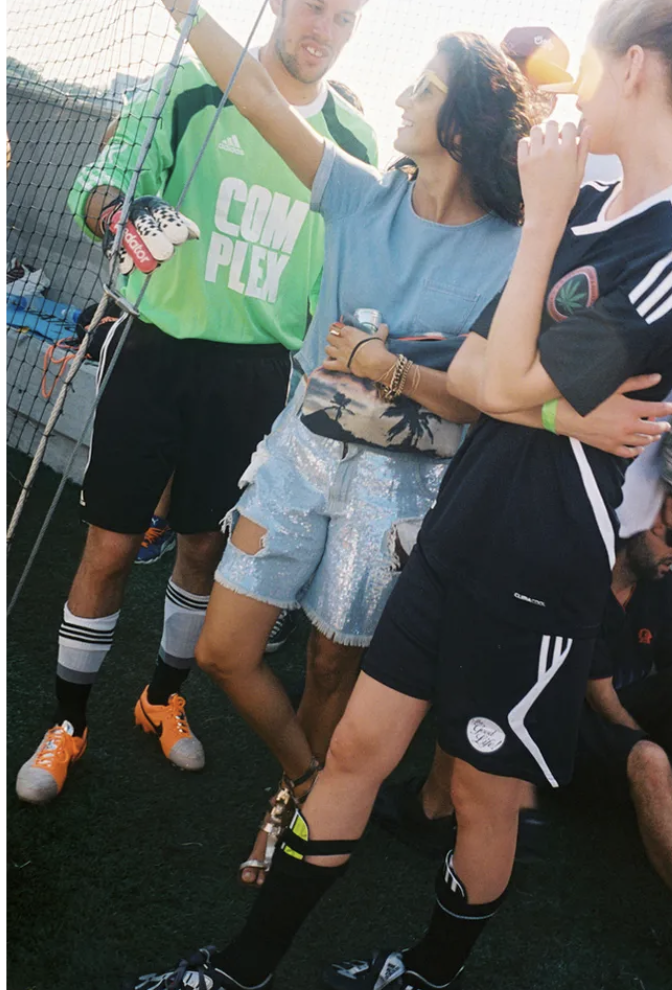
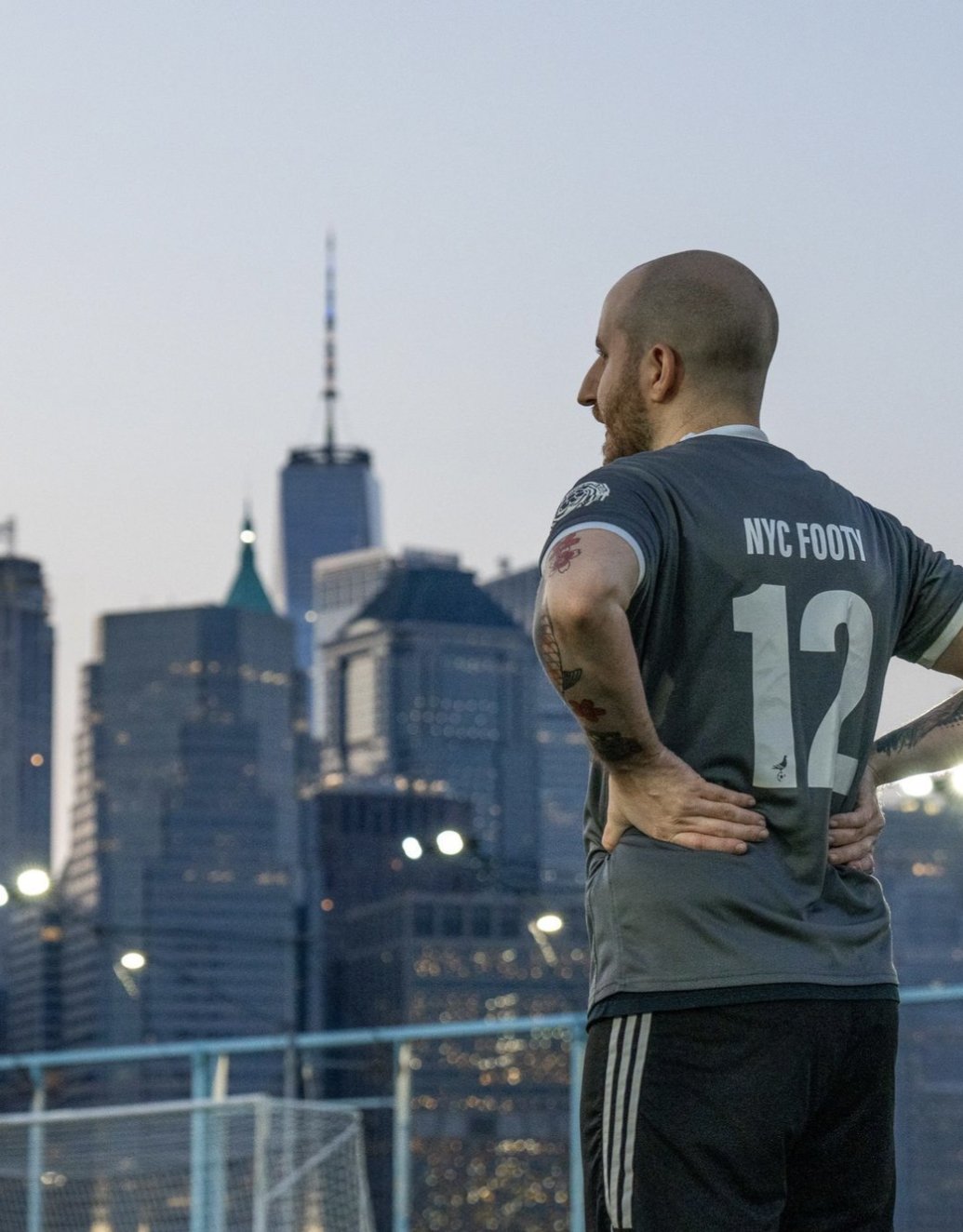
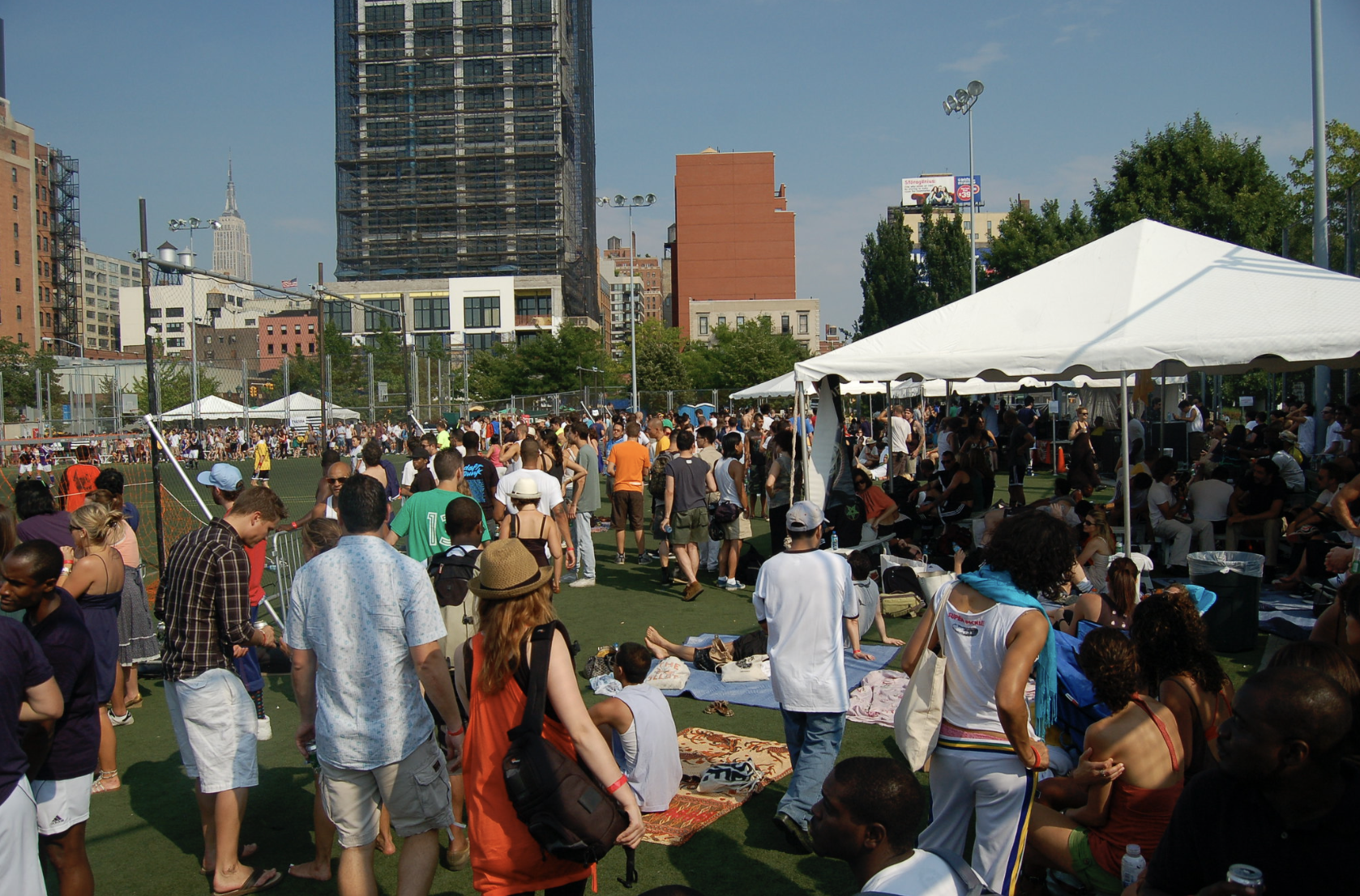
Pier 40 in the middle of a New York summer is not subtle. Harbor views, heat radiating off the turf, the whole city running at full voltage. adidas Fanatic took that setting and filled it with every creative person in New York who also happened to love football. Fashion editors. Magazine stylists. Agency teams. Anyone who understood that the sport was a cultural signal as much as a game.
Music blaring. Food. Cold drinks. Teams from fashion houses and media companies competing on the pitch while Copa América or the World Cup played across every screen. The most forward thinking people in the city on a rooftop together in the middle of summer and nobody wanted to be anywhere else.
There is a specific feeling that only exists at a New York rooftop party in July when everything is firing at once and you are young and in the room and you know it matters. This was that.
I supported the production and attended multiple editions. What stayed with me was not any single moment but the understanding of what adidas had actually built. Not a sponsorship. Not a marketing activation. A reason for a community to belong to the same thing every summer. The football was almost beside the point. Almost.
That is still how I think about what great brands do. They do not create events. They create the thing people would miss if it were gone.
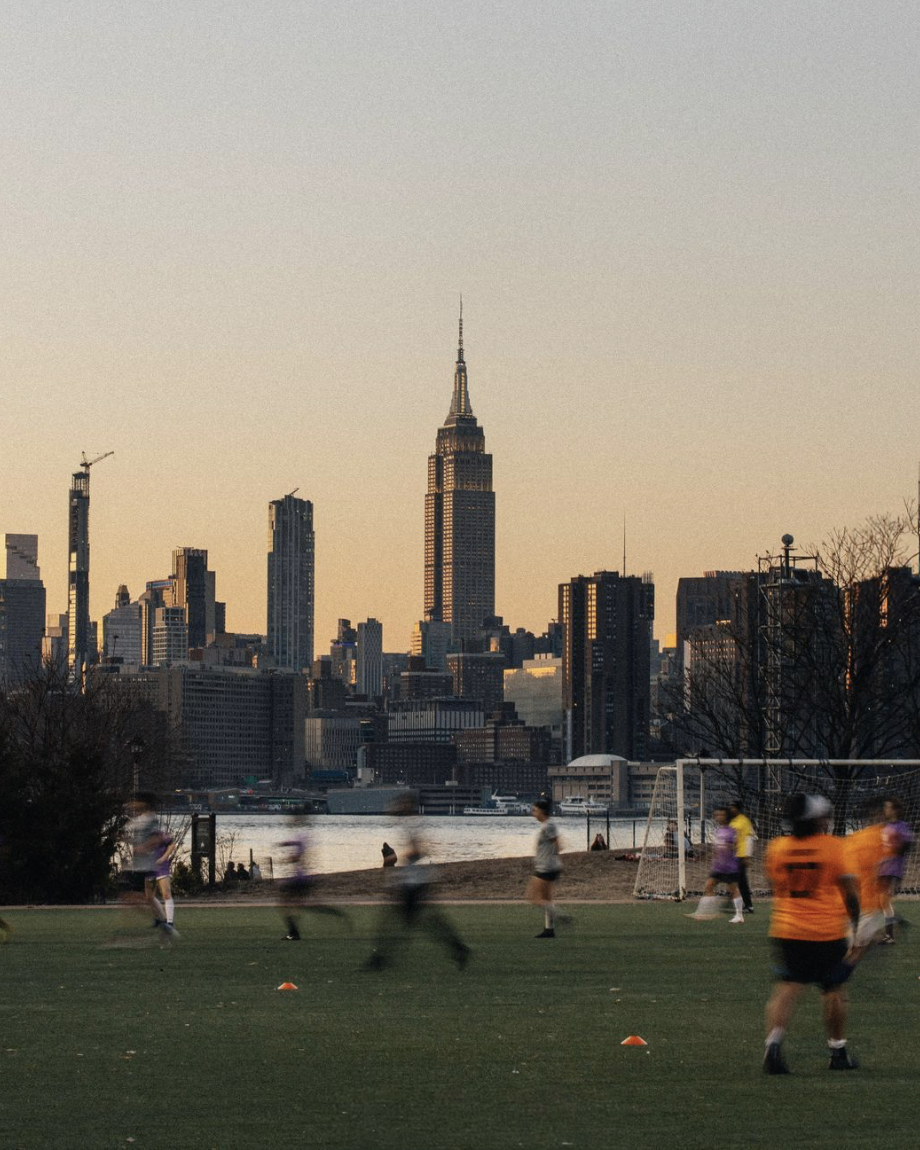





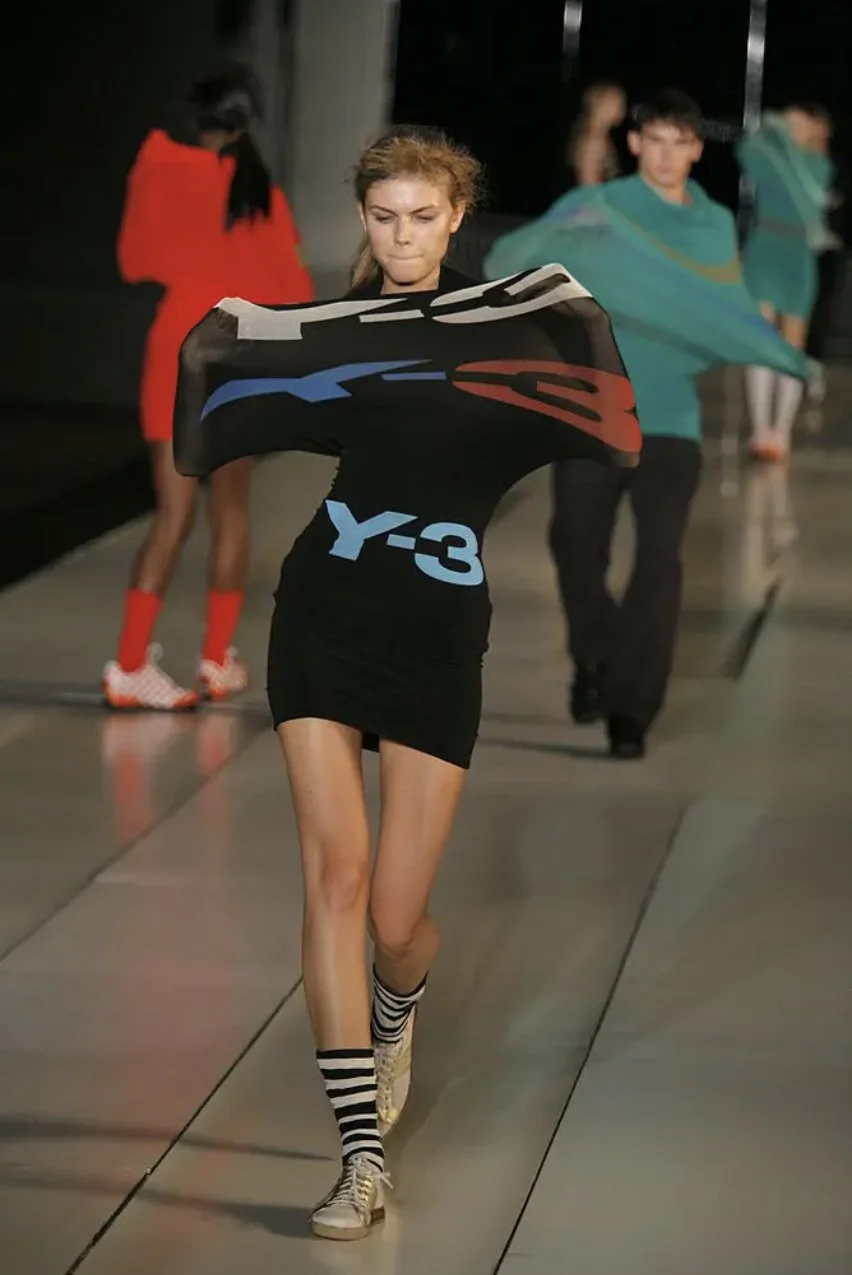
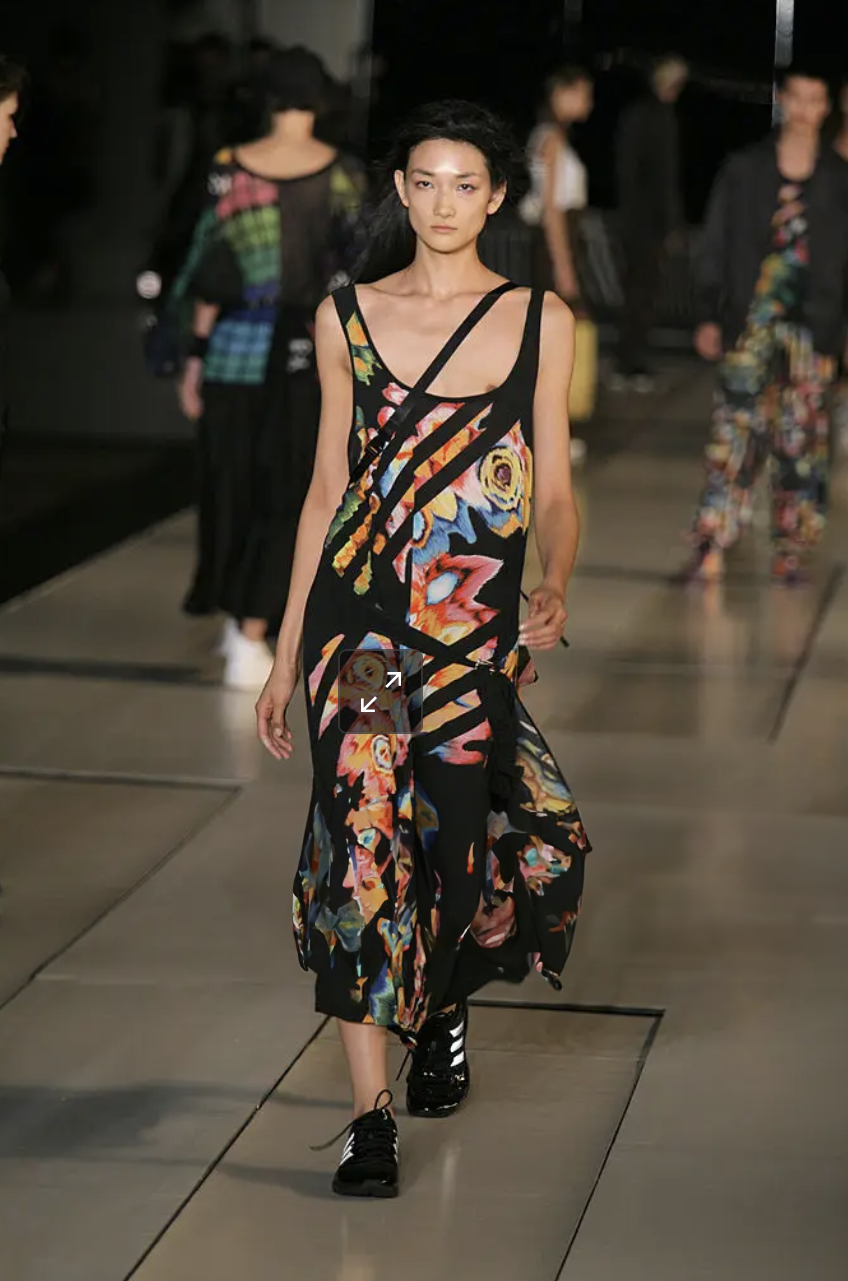
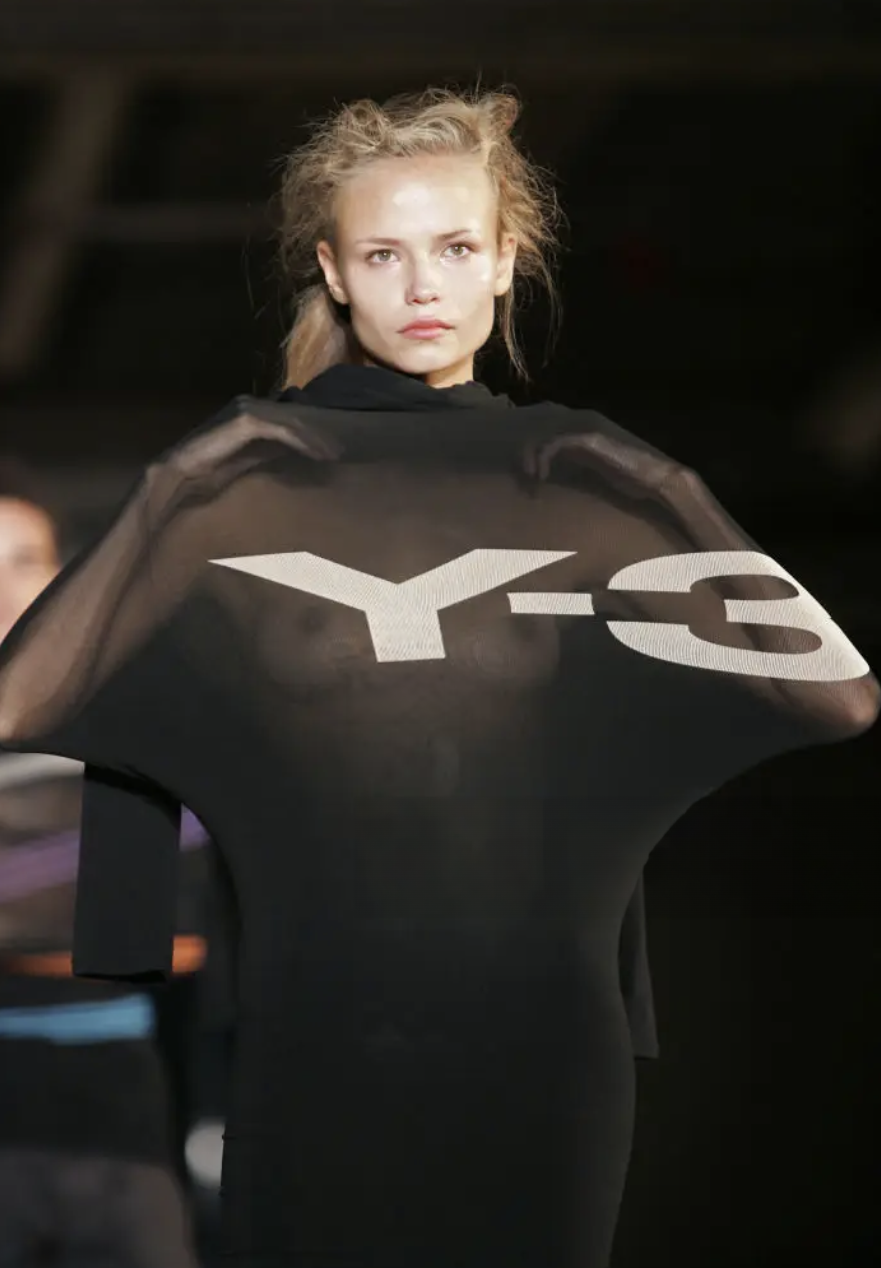
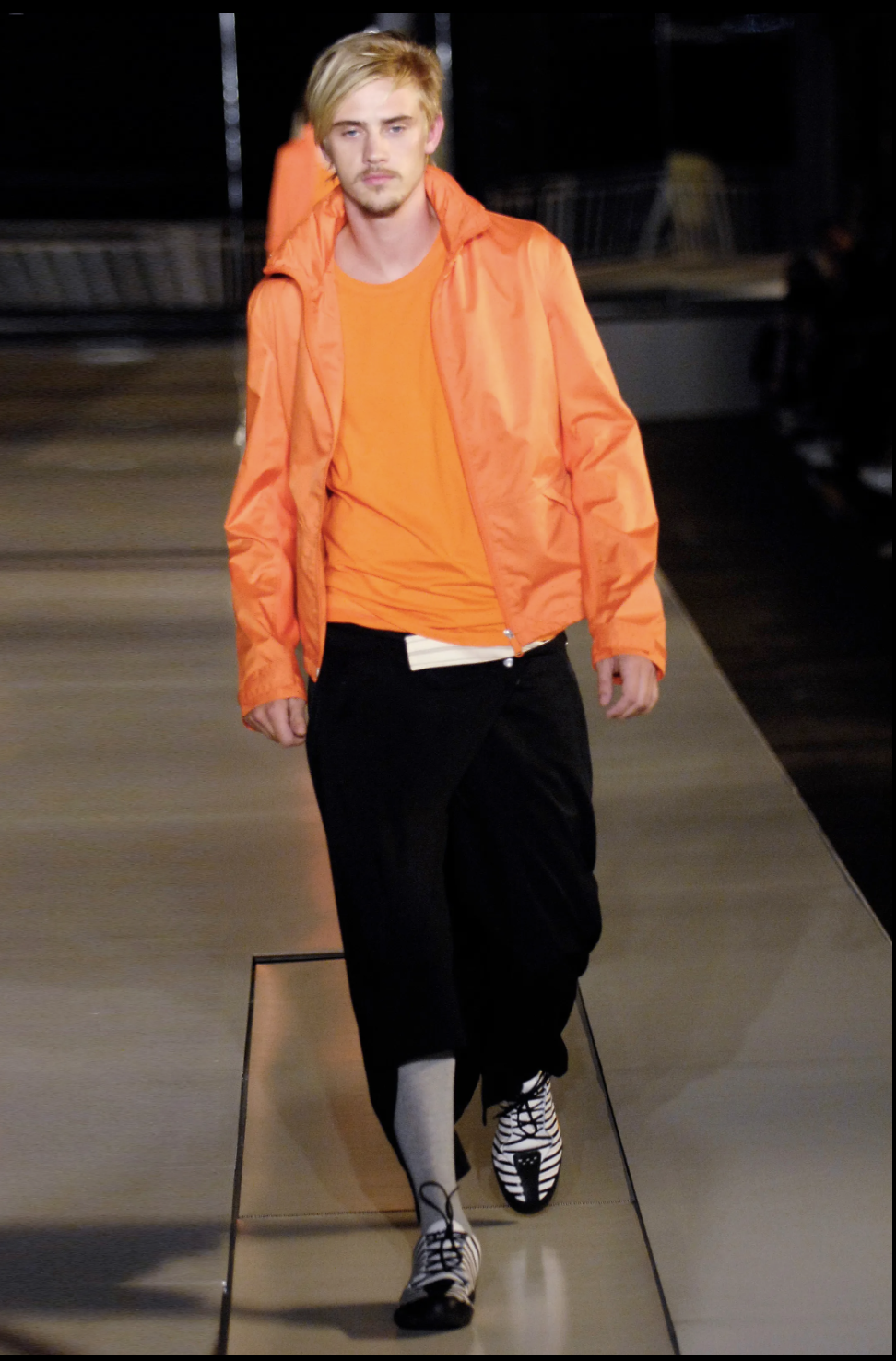
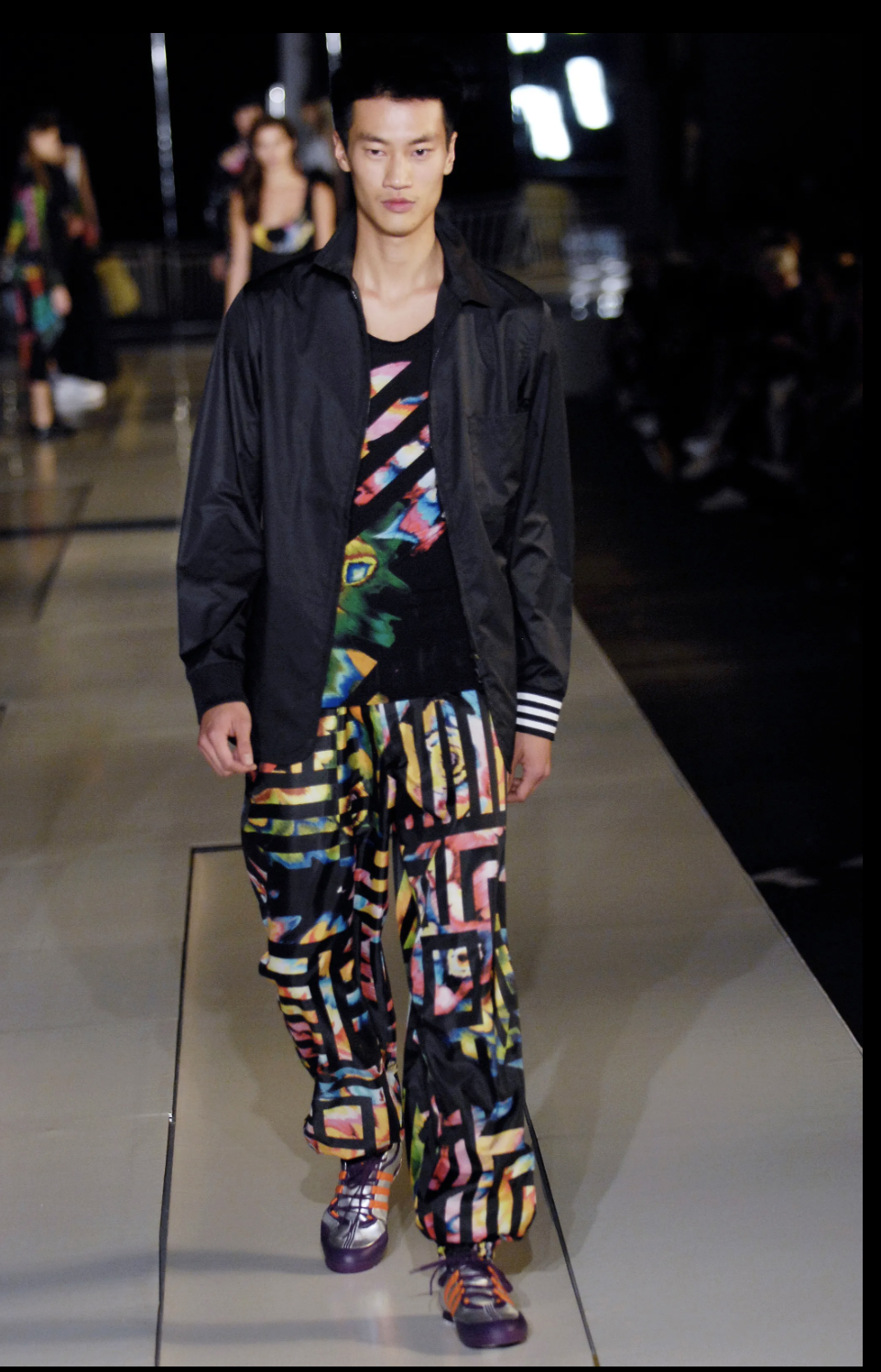
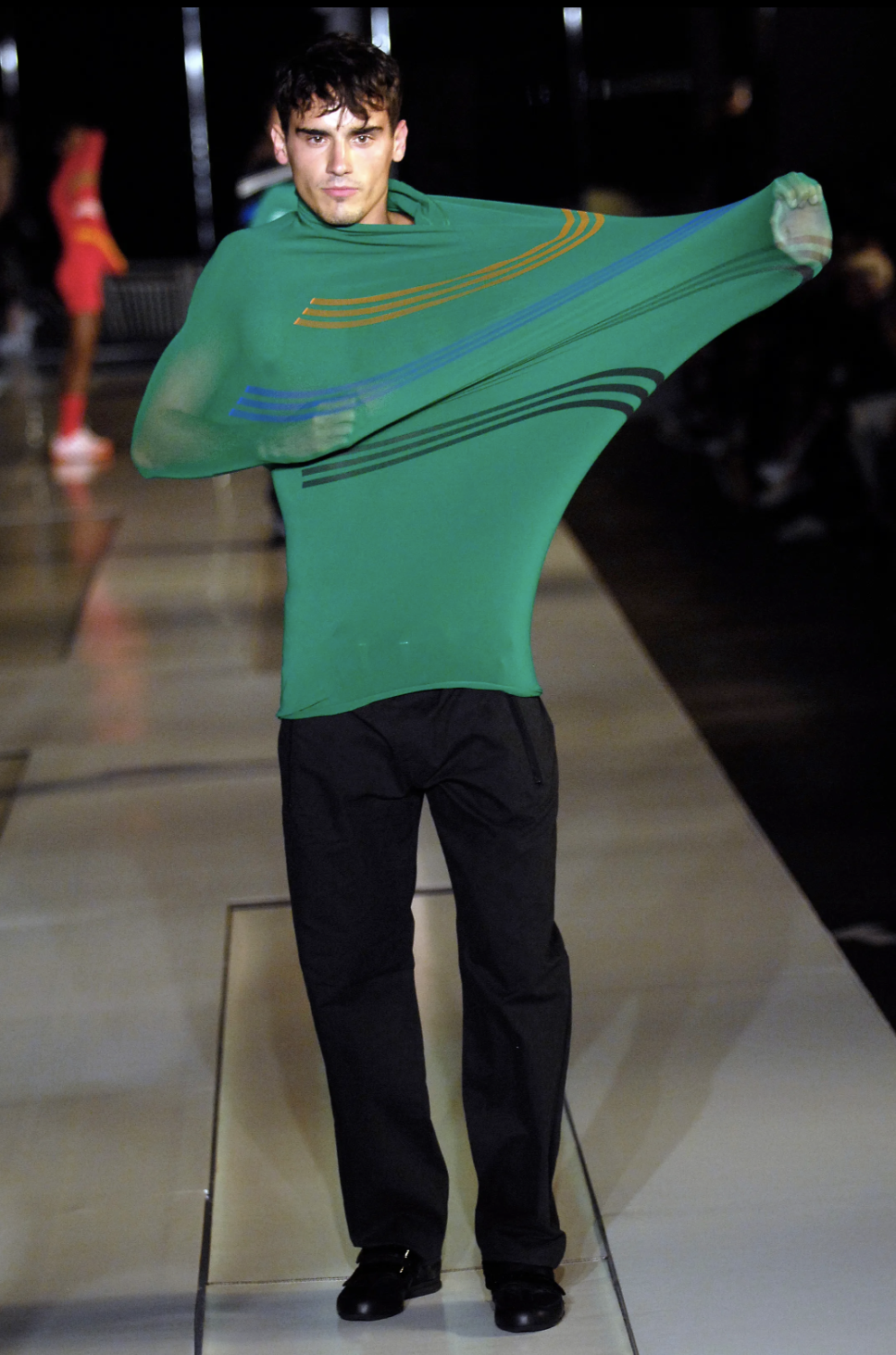
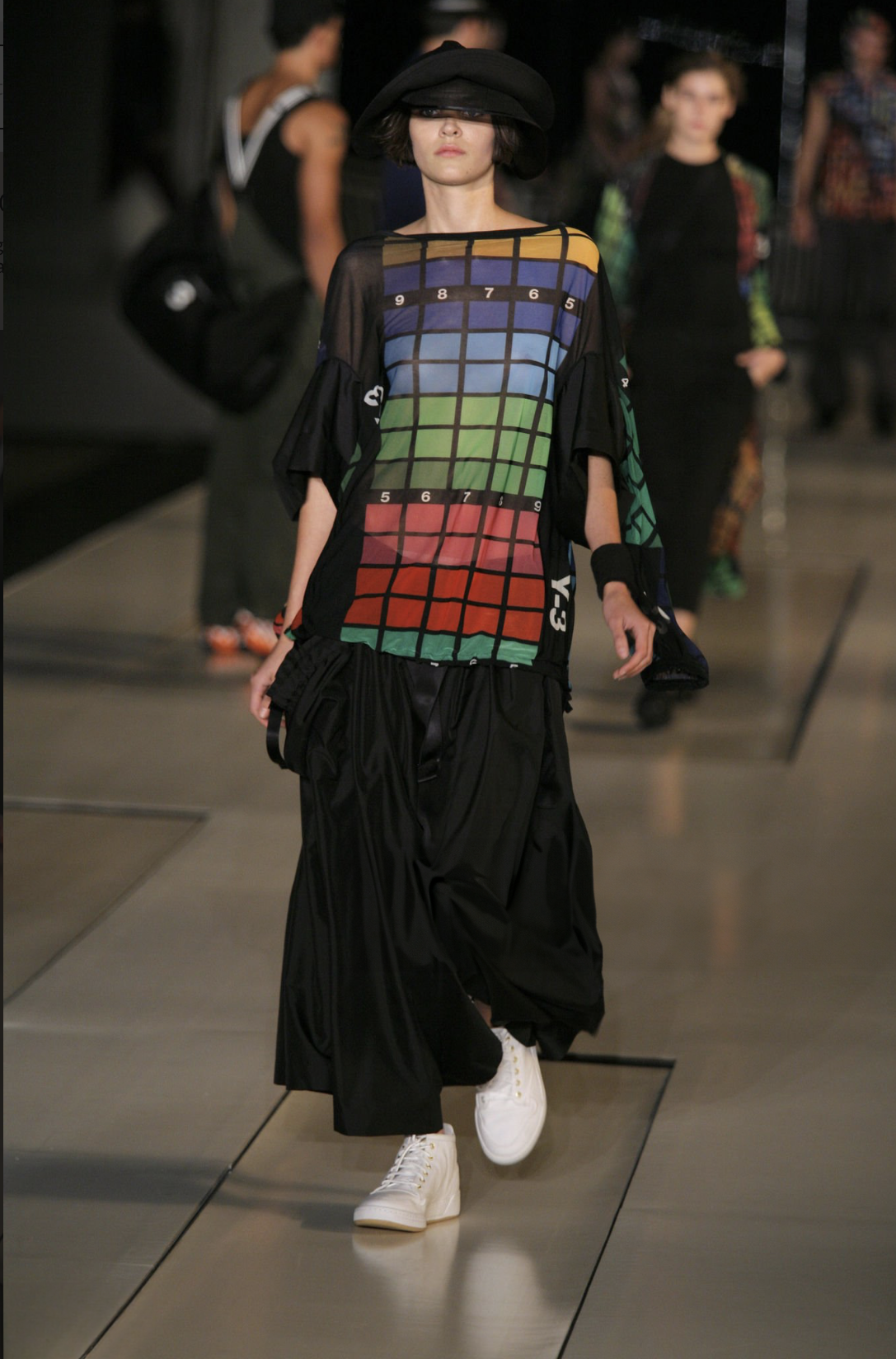
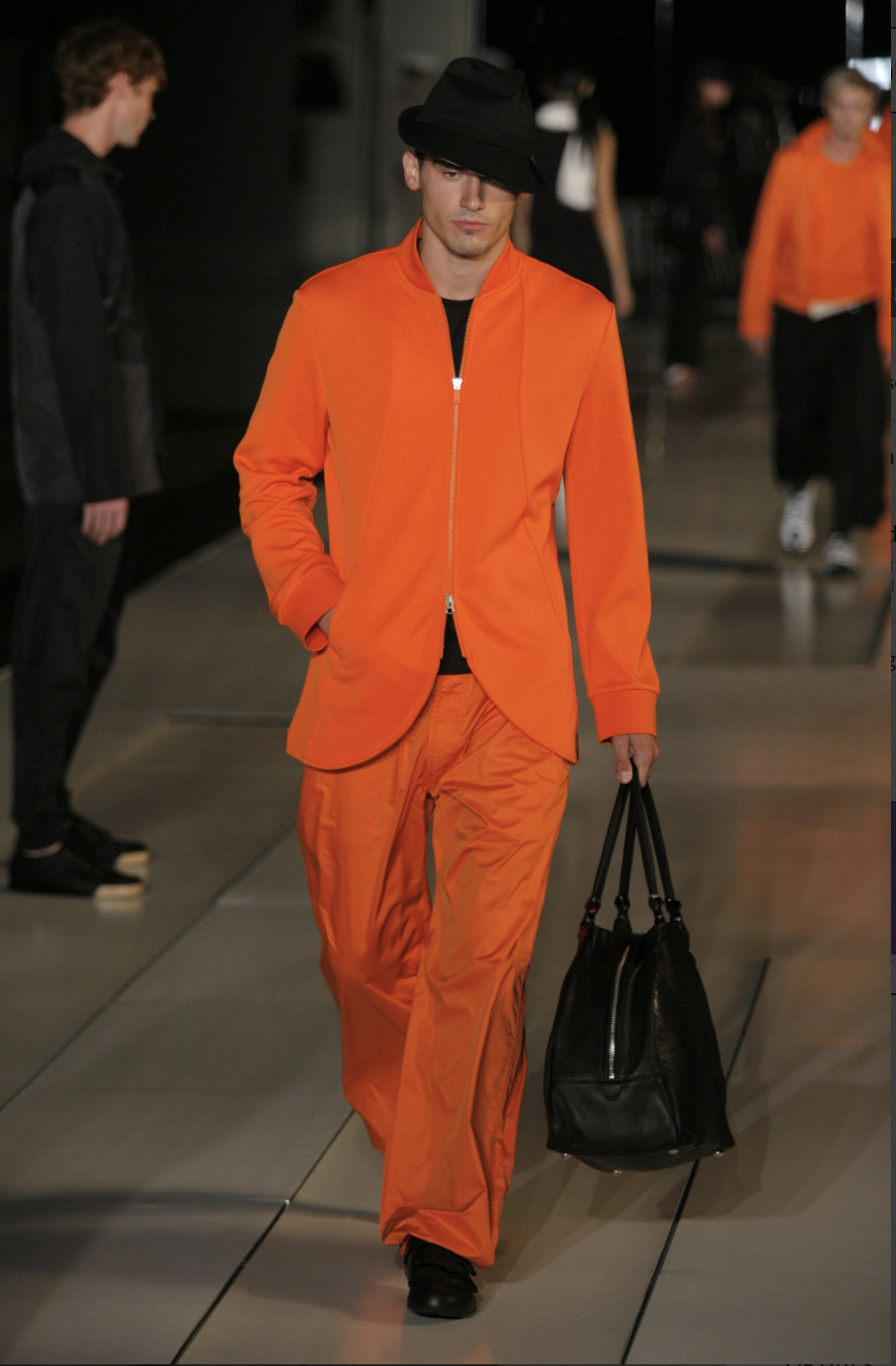
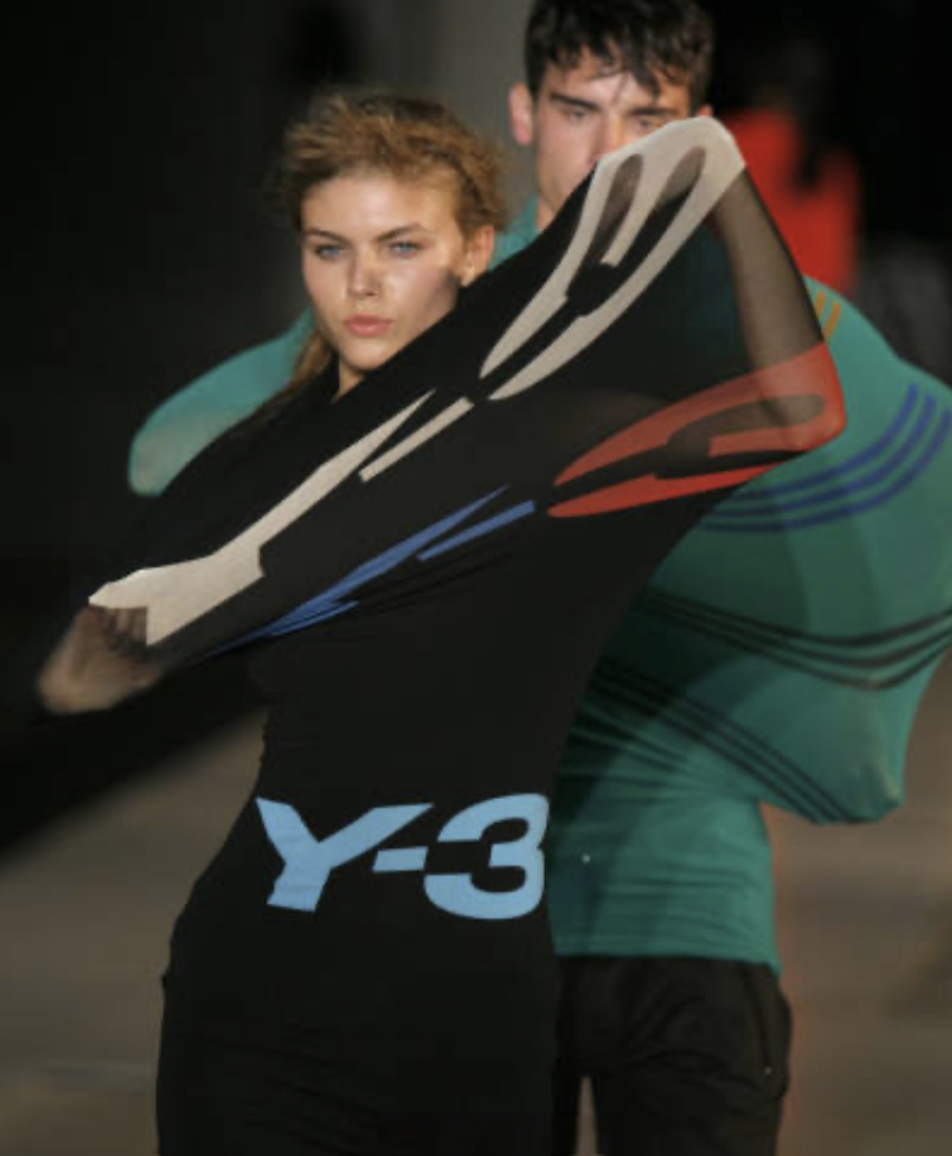
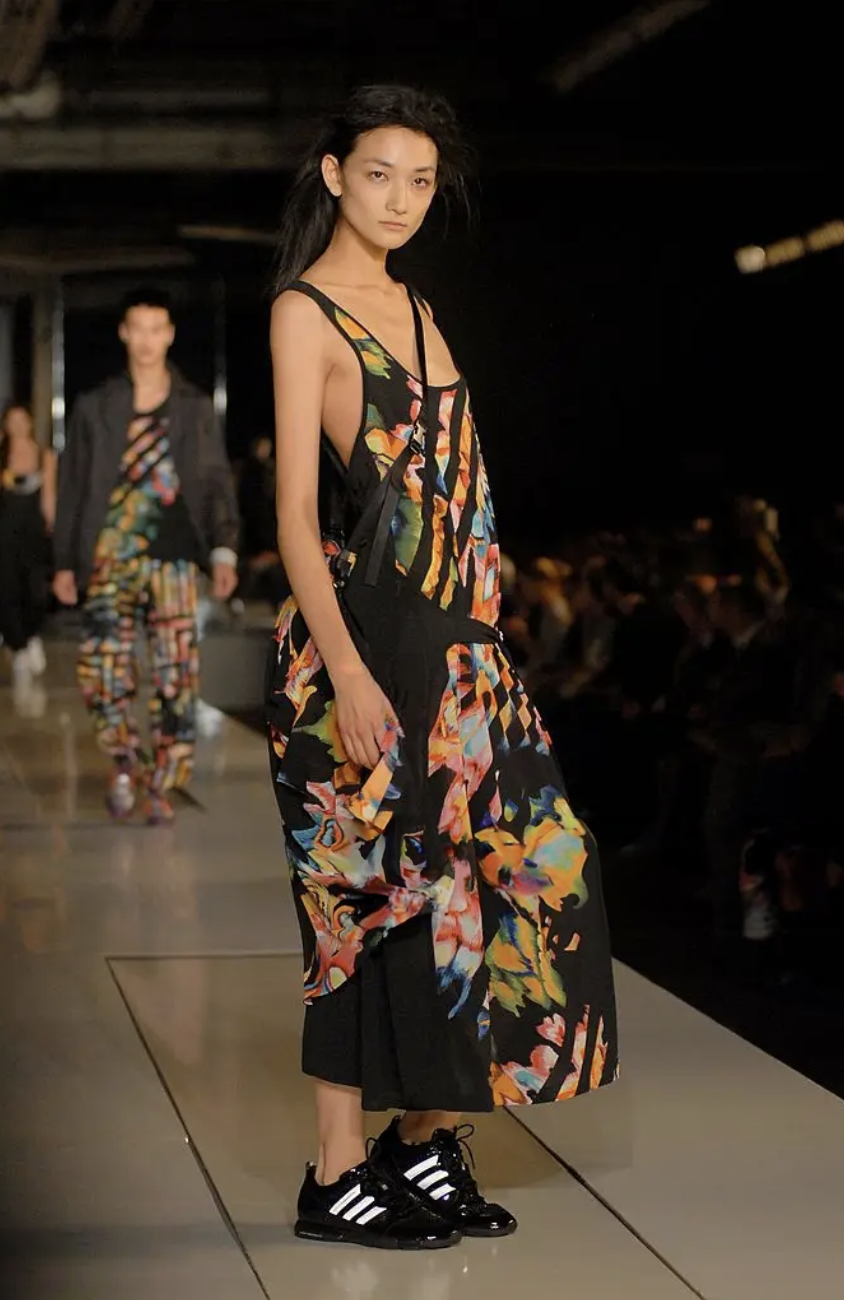
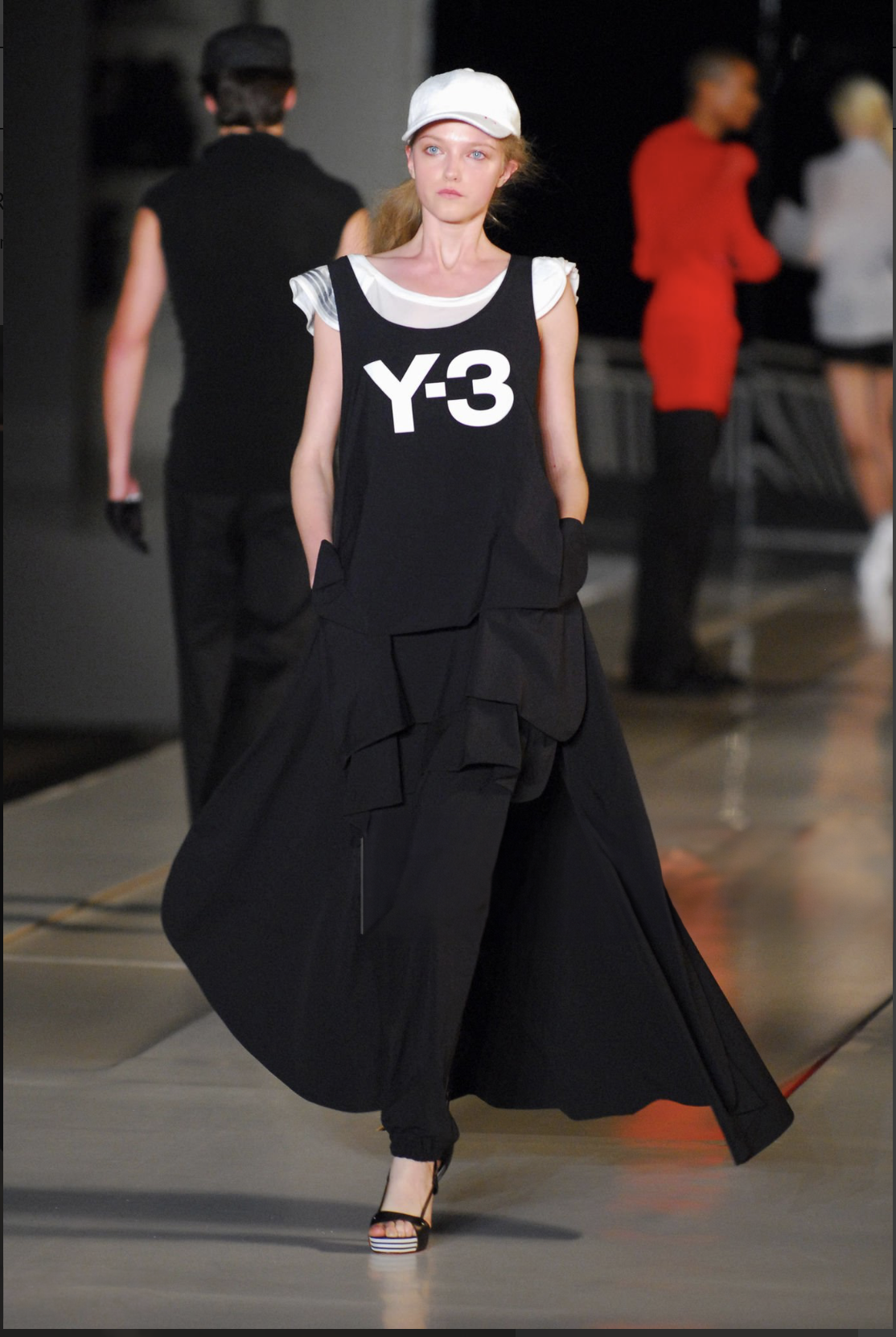
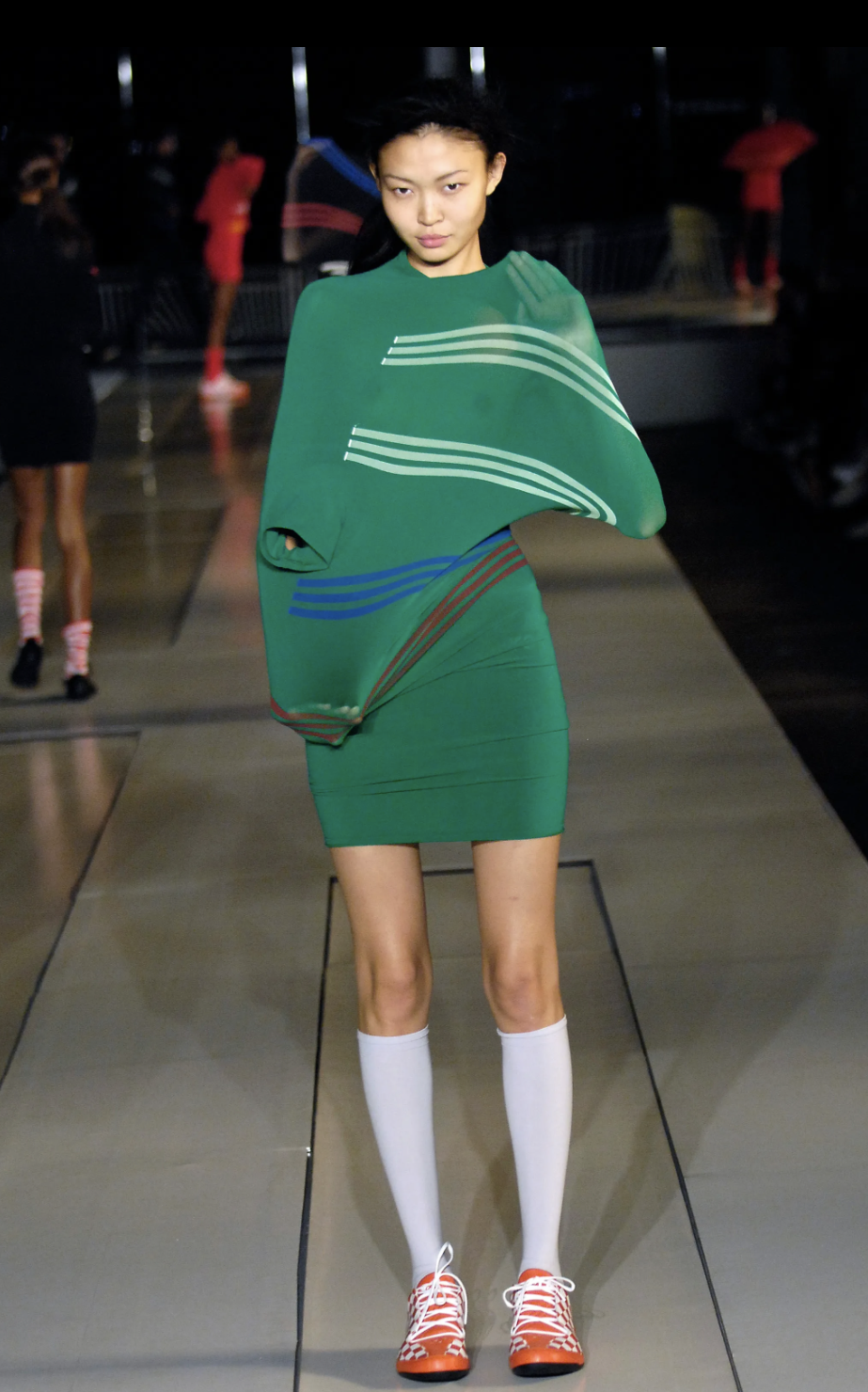
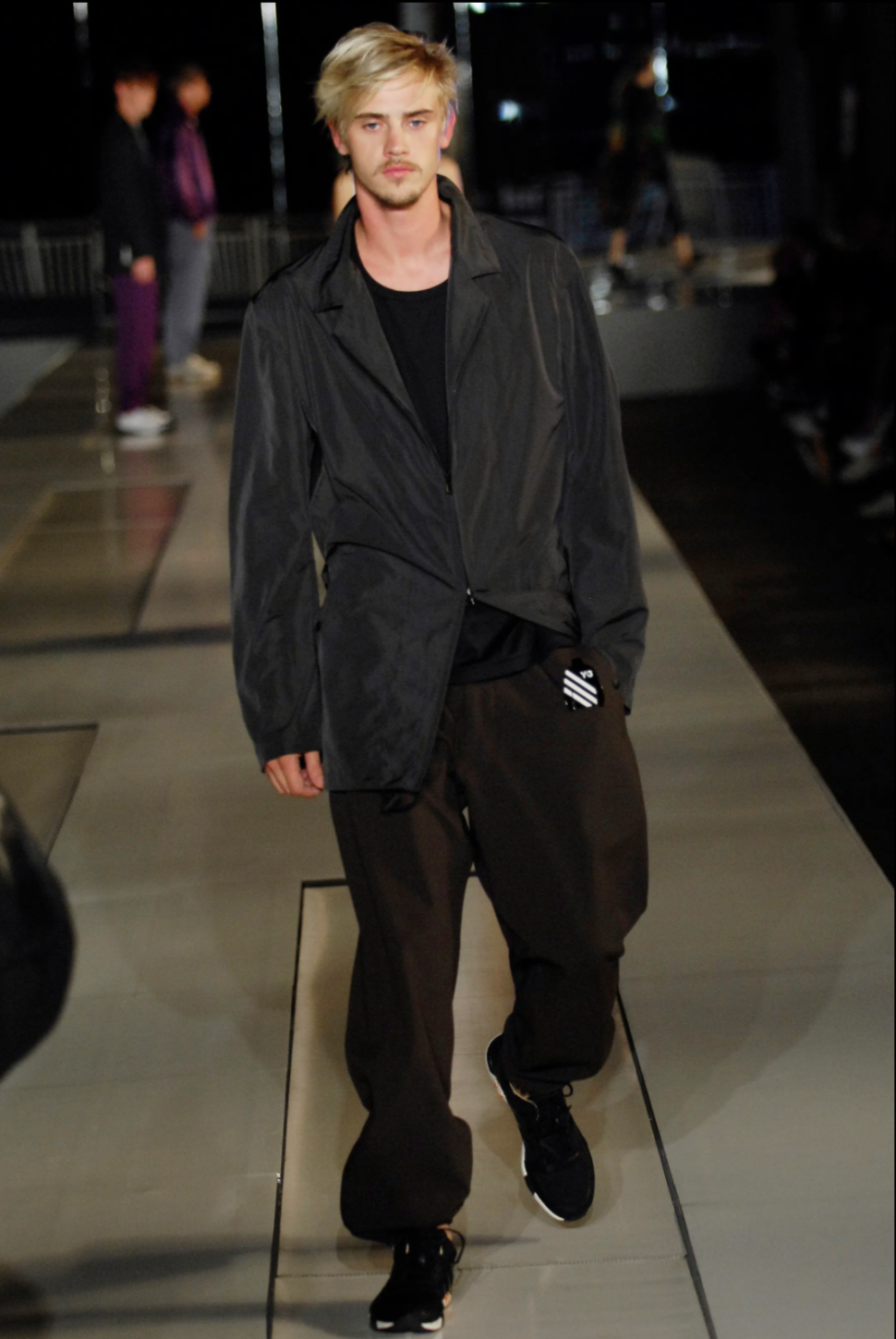
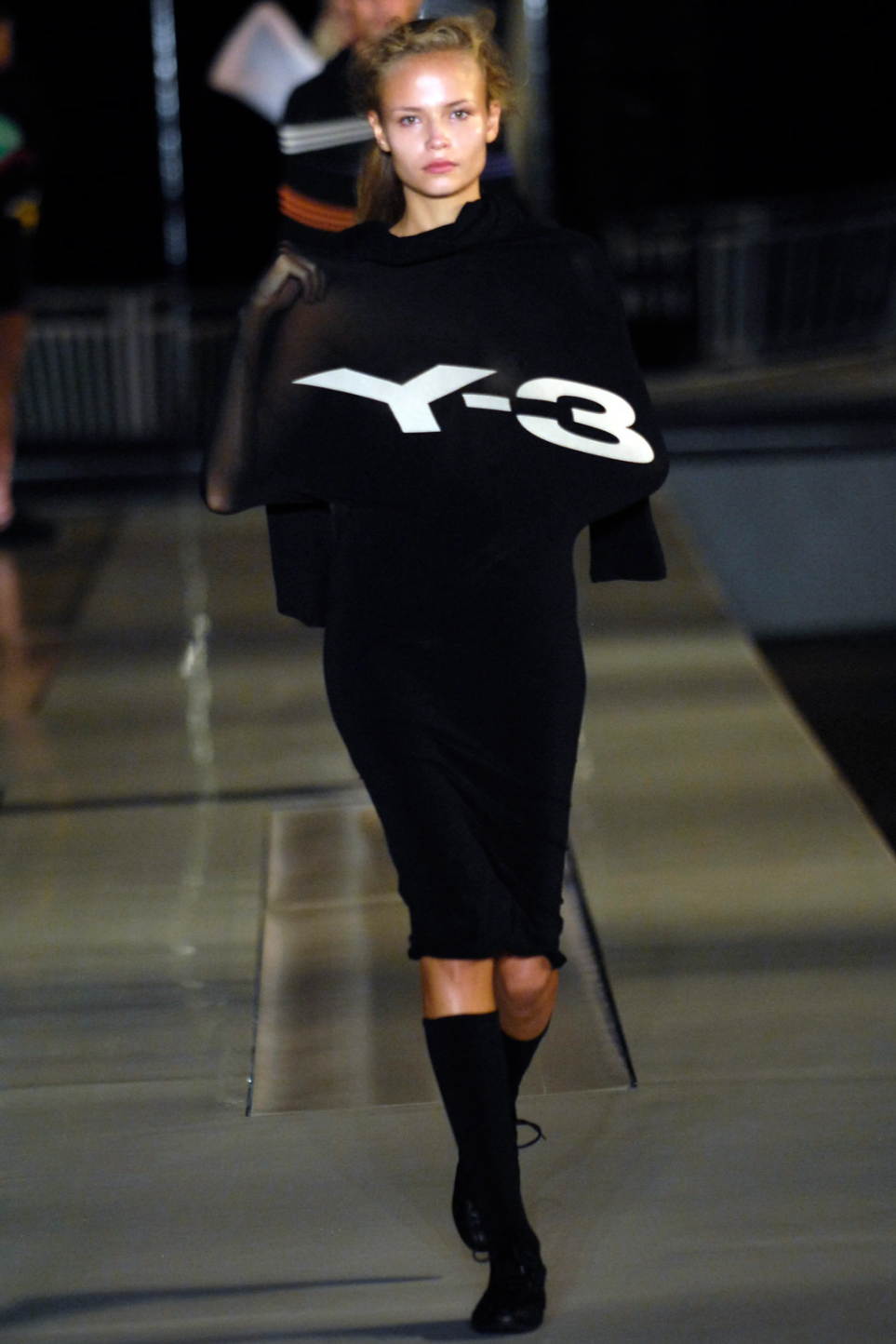
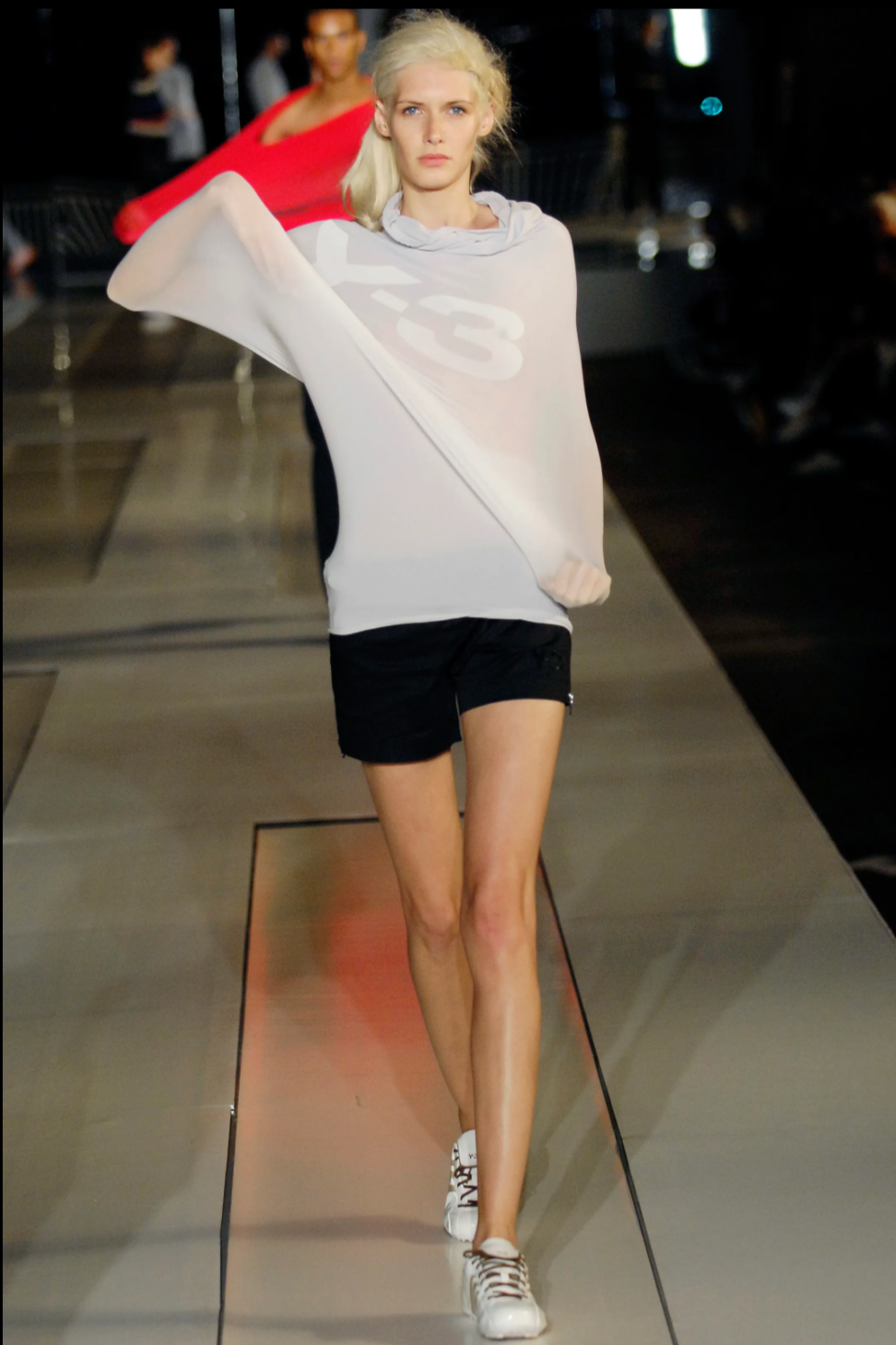
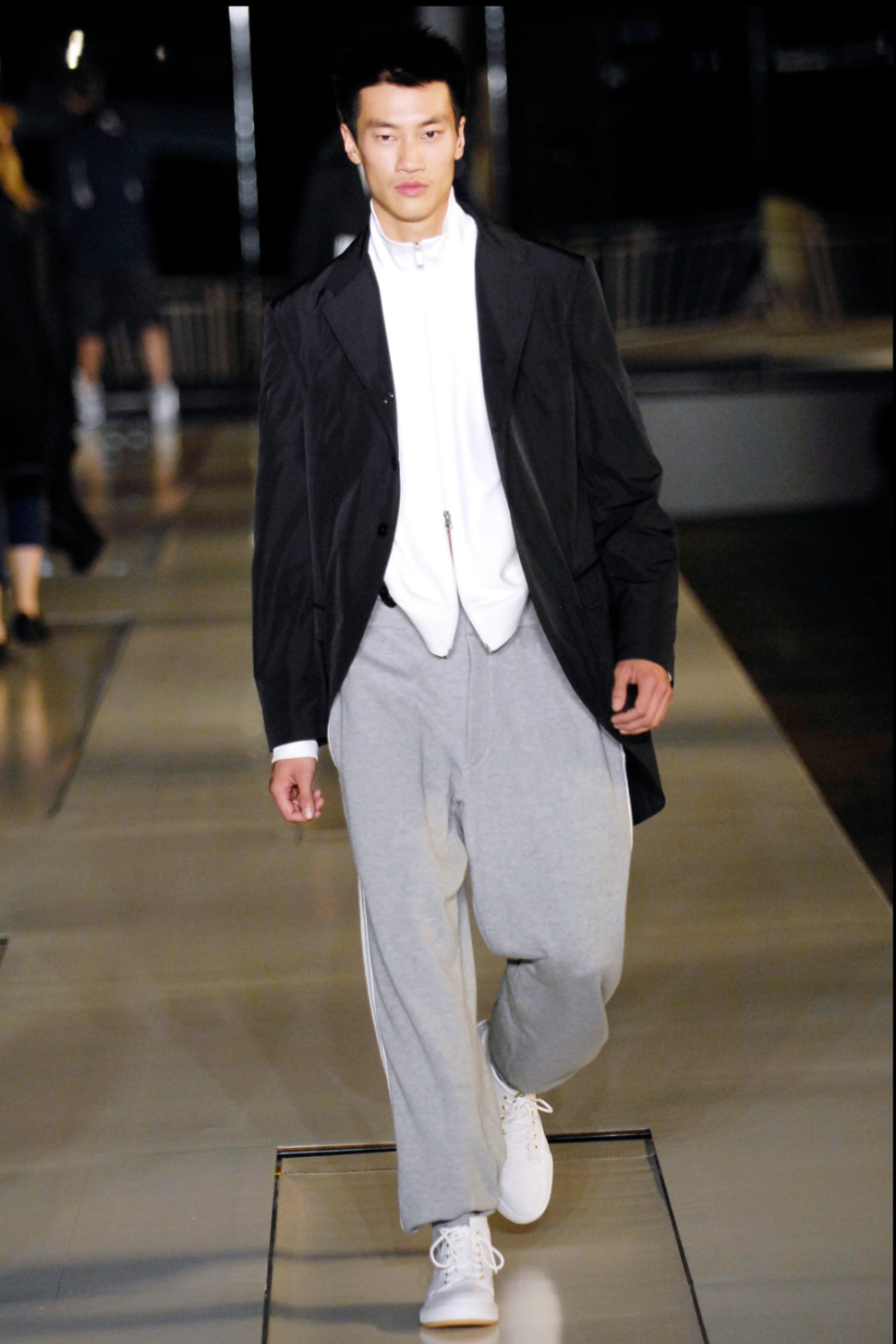
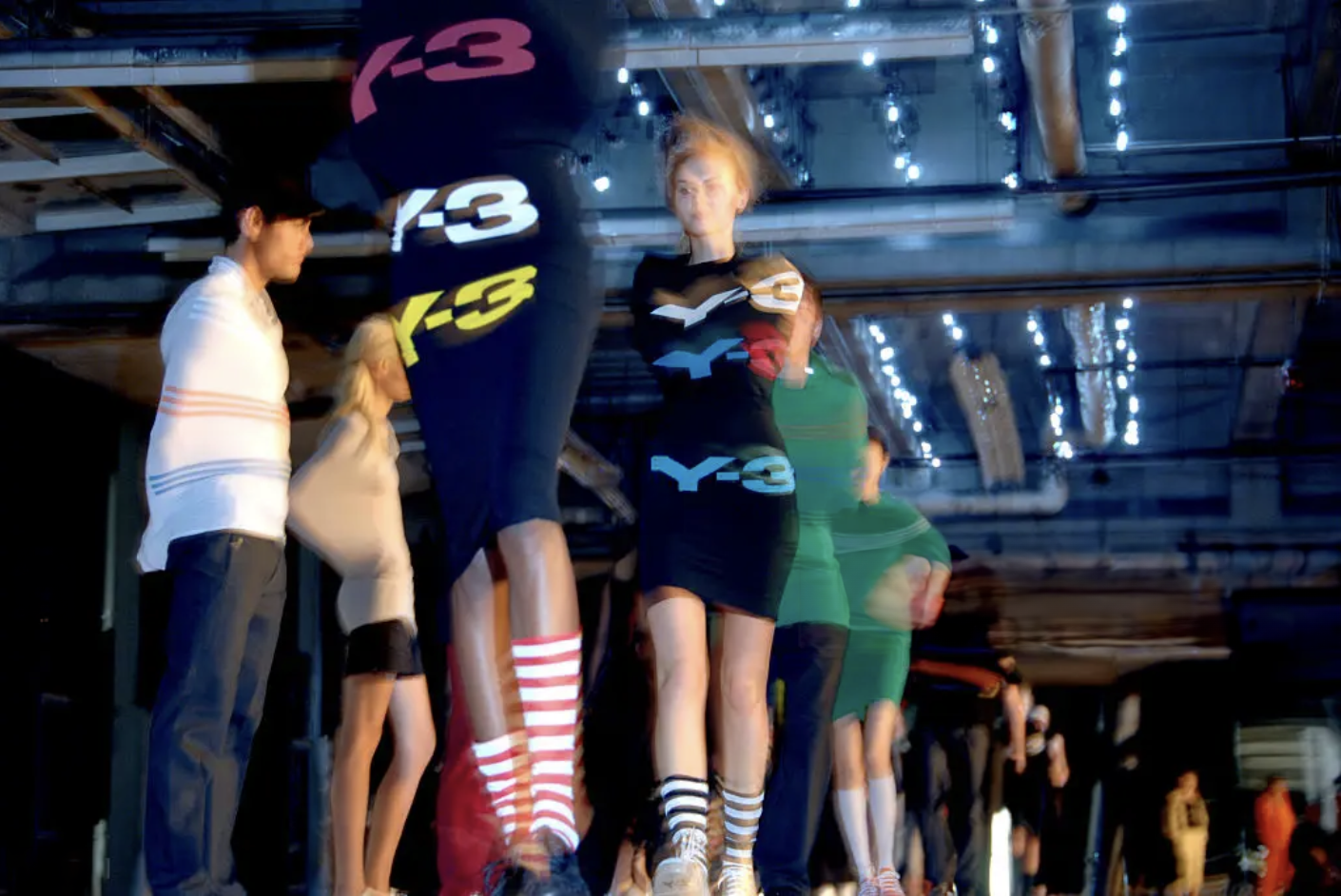
Y-3: The Grammar Between Sport and FashionYohji Yamamoto and adidas built Y-3 on a single conviction: that sport and high fashion shared a deeper grammar than either world wanted to admit. By the time the SS07 show came to Pier 40 in September 2006, four years into the collaboration, that conviction had become undeniable. The show was later named one of five defining moments of a decade of Y-3 by AnOther Magazine. Being in that room meant being present at the moment when a genuinely new category of clothing was cementing its place in the culture.
Where the IOC show was chaotic and confrontational, Y-3 was precise and architectural. Yamamoto's monochrome palette, oversized silhouettes, the three stripes rendered in mesh or applied tonally, never as decoration but always as structure.
The clothes moved like they understood the body from the inside. Working within the adidas PR ecosystem at this moment meant telling a story that required two completely different audiences to believe two completely different things simultaneously.
The fashion world needed to see Yamamoto. The sport world needed to see adidas. The clothes were both and neither. That is an almost impossible brief and it was being executed at the highest level.
Collier Schorr, who photographed multiple Y-3 seasons, described it this way: working with Y-3 made her realize that Yamamoto's lengths of material, pleats and folds were really about allowing the body to move and dance in the clothes while memorising the body's form. That is not a fashion idea. That is a performance idea. Which was exactly the point.