
Reebok was at an inflection point. The brand had real cultural ambition and a creation infrastructure that hadn’t kept up with it. But the harder tension wasn’t between brand and factory. It was between a parent brand with a global strategy that needed to move at scale and a sub-brand whose entire value lived in the specificity and cultural credibility that scale tends to destroy.
I came into this role because I could speak all three languages fluently: the language of a brand trying to stay authentic, the language of a factory trying to understand what that actually meant in production terms, and the language of a parent organization trying to rationalize a portfolio without losing what made each brand worth having. The work was about keeping a small brand’s soul intact while navigating forces that didn’t always understand why that soul mattered.
Convincing a factory to prioritize a small volume, technically complex, culturally urgent project over the high volume basics order sitting next to it on the floor requires more than process. It requires making them believe the work matters, which means you have to believe it first.
Recognizing the Challenge:
Both brands had product architectures built for a different era. The creation infrastructure and the brand vision had drifted apart, which meant teams were making decisions around what was possible rather than what was right for the consumer and the brand. Rising costs and rigidity in the creation model were compounding the problem, making it harder to respond to market shifts at the pace the brands needed.
Charting a course for transformation

I was embedded across brand, product, and commercial teams to build alignment that hadn't existed before. That required earning trust with creative leadership and commercial teams simultaneously, demonstrating that the product could be better before asking anyone to change how they worked to get there. The majority of the work was focused on Reebok, where the gap between brand aspiration and creation reality was widest.

Earning the Trust to Change How Things Worked
The resistance was understandable. Teams that have learned to work within constraints don't automatically believe the constraints can change. I cultivated relationships across executive leaders and working teams in design, development, and commercial functions until the strategy had genuine organizational support behind it rather than compliance.

Leading Across Cultures and Time Zones
What made this work particularly complex was that I was doing it in motion. My stakeholders sat across Boston, Carlsbad, Barcelona, Portland, and Hong Kong, and I was rarely in the same building as the people I needed to move. Building alignment across that geography, without the benefit of proximity or a shared daily rhythm, required a different kind of discipline around communication, trust, and follow-through. The capability we built had to work across all of those centers simultaneously, which meant the model itself had to be clear enough that it didn't depend on me being in the room.
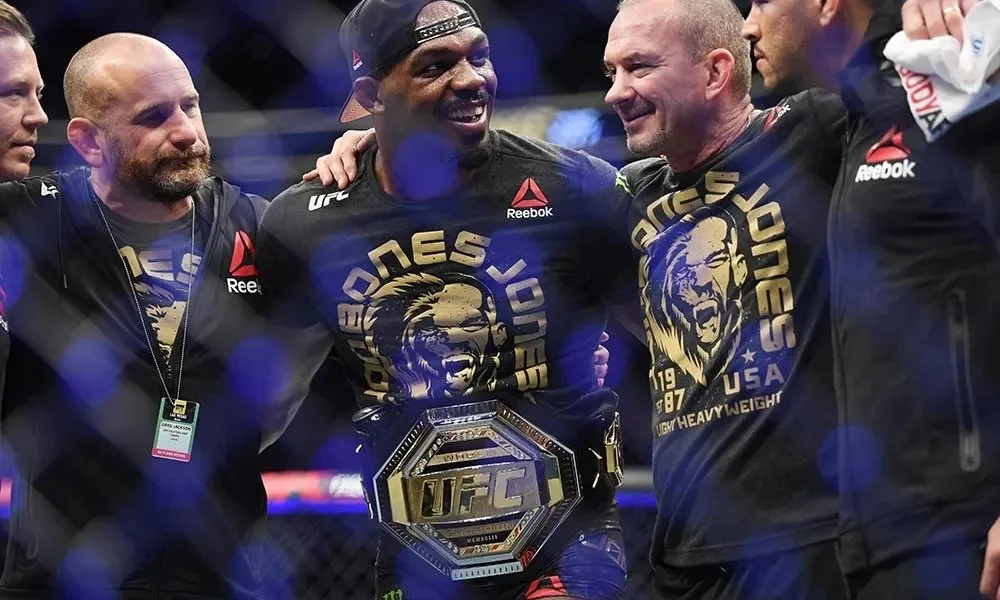
Speaking Both Languages
The creative teams had learned to design around constraints rather than through them. My role was to change that relationship, showing that the creation infrastructure could serve aesthetic ambition rather than limit it. Translating brand vision into creation requirements and creation capability into brand opportunity, often in the same week, is where I added the most value.
What the Work Made Possible
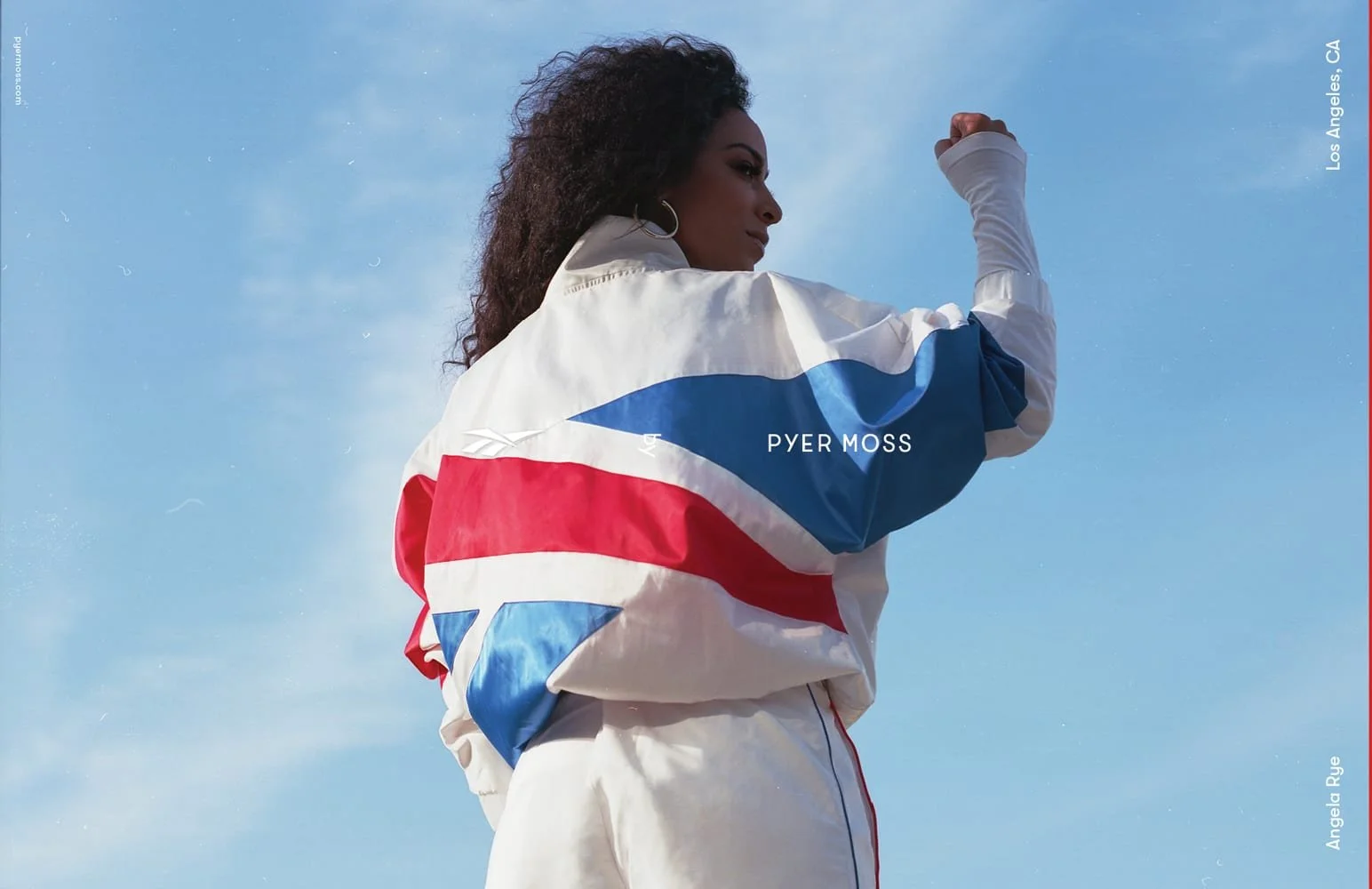
The work delivered meaningful margin expansion, a speed-to-market model that outlasted my time in the role, and a record for fastest strategy adoption between the brands. The Pyer Moss collaboration shown here is an example of what became possible when creative ambition and creation capability were genuinely aligned. That alignment is something I have been building toward in every role since.